Enriquillo wetlands

NT0903 Neotropic Flooded Grasslands & Savannas 628 km²

The Enriquillo wetlands is a flooded grasslands and savannas ecoregion located in the Neotropic biogeographic realm, covering Central and South America, the Caribbean, and southern portions of Mexico, spanning approximately 628.4 km². Classified under the WWF ecoregion code NT0903, this region represents a distinct ecological community shaped by its unique combination of climate, geography, and evolutionary history.

Climate and Vegetation

This ecoregion experiences seasonal flooding with waterlogged soils for significant portions of the year. The dominant vegetation consists of grasses and sedges adapted to periodic inundation. These conditions create the foundation for the ecological communities found within the Enriquillo wetlands.

Ecological Significance

These wetland ecosystems are critical for waterbirds, fish, and amphibians, serving as nursery habitats and seasonal migration stopover points. The Enriquillo wetlands contributes to the broader biodiversity patterns of the Neotropic realm.

Geographic Distribution

The Enriquillo wetlands extends entirely within Dominican Republic. This geographic range places it within the Neotropic realm, one of the eight major biogeographic divisions of the world.

Notable Species

The Enriquillo wetlands supports a range of wildlife, including Aaron'S Rod (Verbascum thapsus), African Rice (Oryza glaberrima), Apple Snail (Pomacea glauca), Argyle apple (Eucalyptus cinerea), arizona-cypress (Cupressus arizonica), Aroma (Dichrostachys cinerea), Awnless Barnyard Grass (Echinochloa colonum), Beauty Of The Night (Mirabilis jalapa), and 42 more species.

Conservation

Like many flooded grasslands and savannas ecosystems, the Enriquillo wetlands faces threats from dam construction, drainage for agriculture, water diversion, and pollution. Conservation efforts in this ecoregion focus on habitat preservation, sustainable land management, and protecting corridors that connect fragmented habitat patches.

Countries 1

Species in this Ecoregion 50
🐾
achillée mille-feuilles
Achillea millefolium
LC
🐾
arrêtenègre
Parkinsonia aculeata
LC
🐾
Belle-de-nuit
Mirabilis jalapa
LC
🐾
Blé du Dekkan
Echinochloa colonum
LC
🐾
bouillon blanc à petites fleurs
Verbascum thapsus
LC
🐾
bouquet géant
Macrobrachium rosenbergii
LC
🐾
chiendent dactyle
Cynodon dactylon
LC
🐾
Crapaud
Rhinella marina
LC
🐾
cygne tuburculé
Cygnus olor
NT
🐾
Cyprès d’Arizonie
Cupressus arizonica
LC
🐾
ébénier juane
Dalbergia sissoo
LC
🐾
Éleusine d'Inde
Eleusine indica
LC
🐾
folle-avoine
Avena fatua
LC
🐾
genêt à balais
Cytisus scoparius
LC
🐾
Herbe Créole
Paspalum conjugatum
LC
🐾
héron garde-boeufs
Bubulcus ibis
LC
🐾
jamélongue
Syzygium cumini
LC
🐾
jujubier
Ziziphus mauritiana
LC
🐇
lapin, lapin de garenne
Oryctolagus cuniculus
NT
🐾
Lenticule très petite
Lemna perpusilla
LC
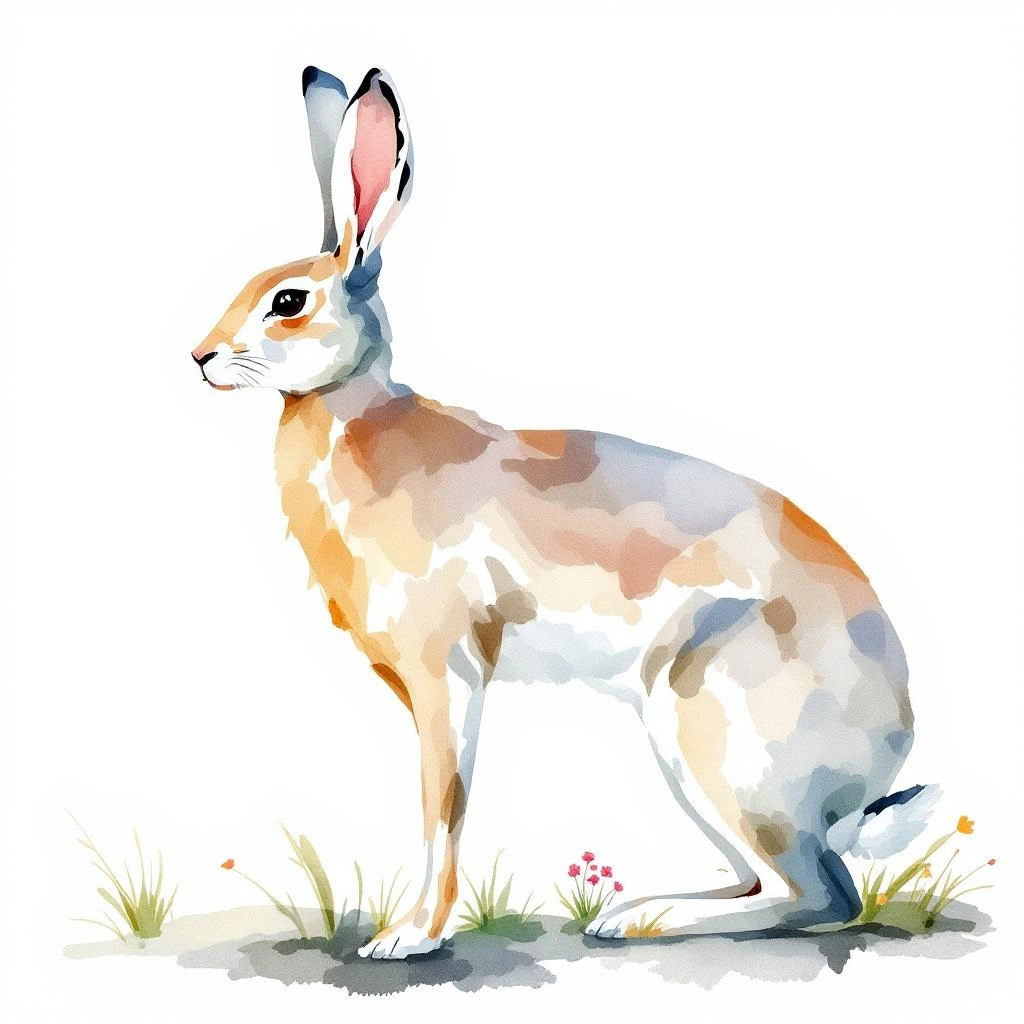
lièvre
lièvre
Lepus europaeus
NT
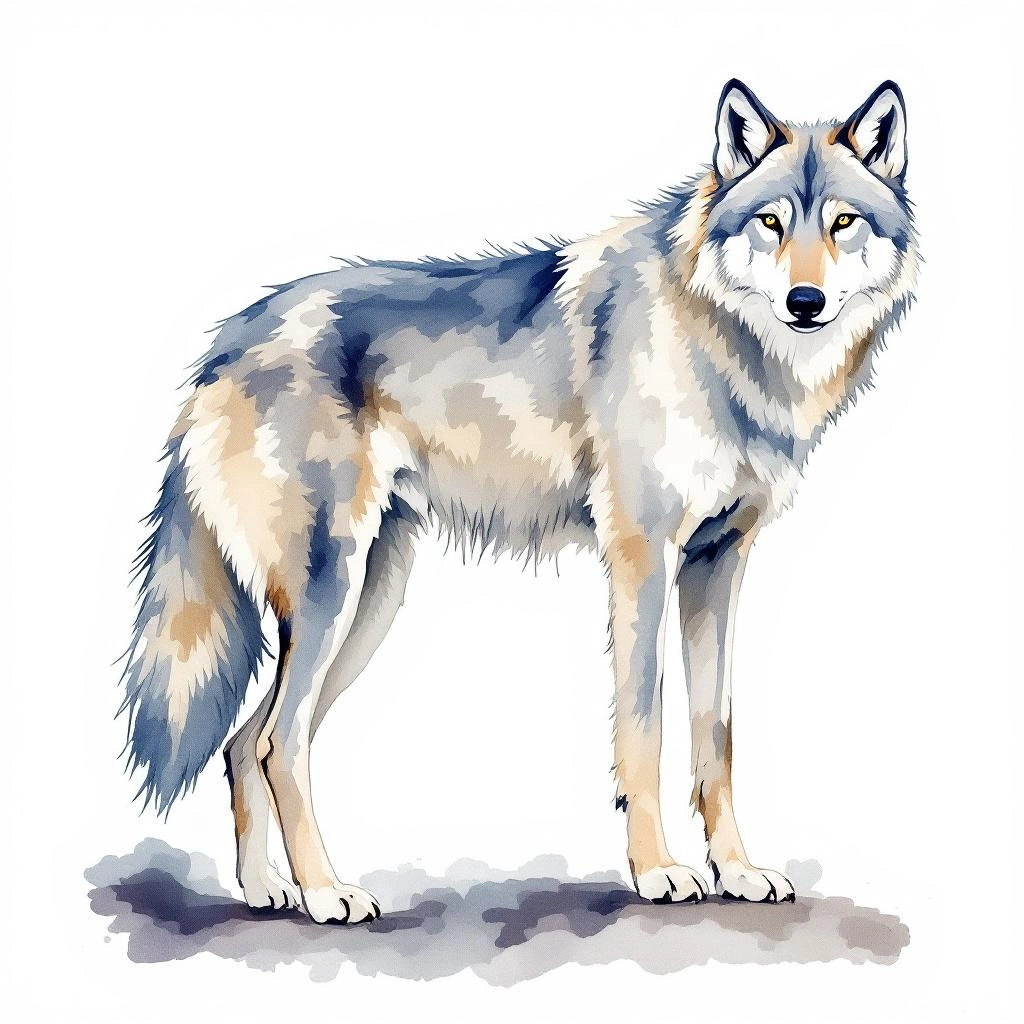
loup
loup
Canis lupus
CR
🐾
massette à feuilles étroites
Typha angustifolia
LC
🐾
menthe aquatique
Mentha aquatica
LC
🐾
Moineau domestique
Passer domesticus
LC
🐾
noyer de bancoul
Aleurites moluccanus
LC
🐾
petit trèfle jaune
Trifolium dubium
LC
🐾
plantain à larges feuilles
Plantago major
LC
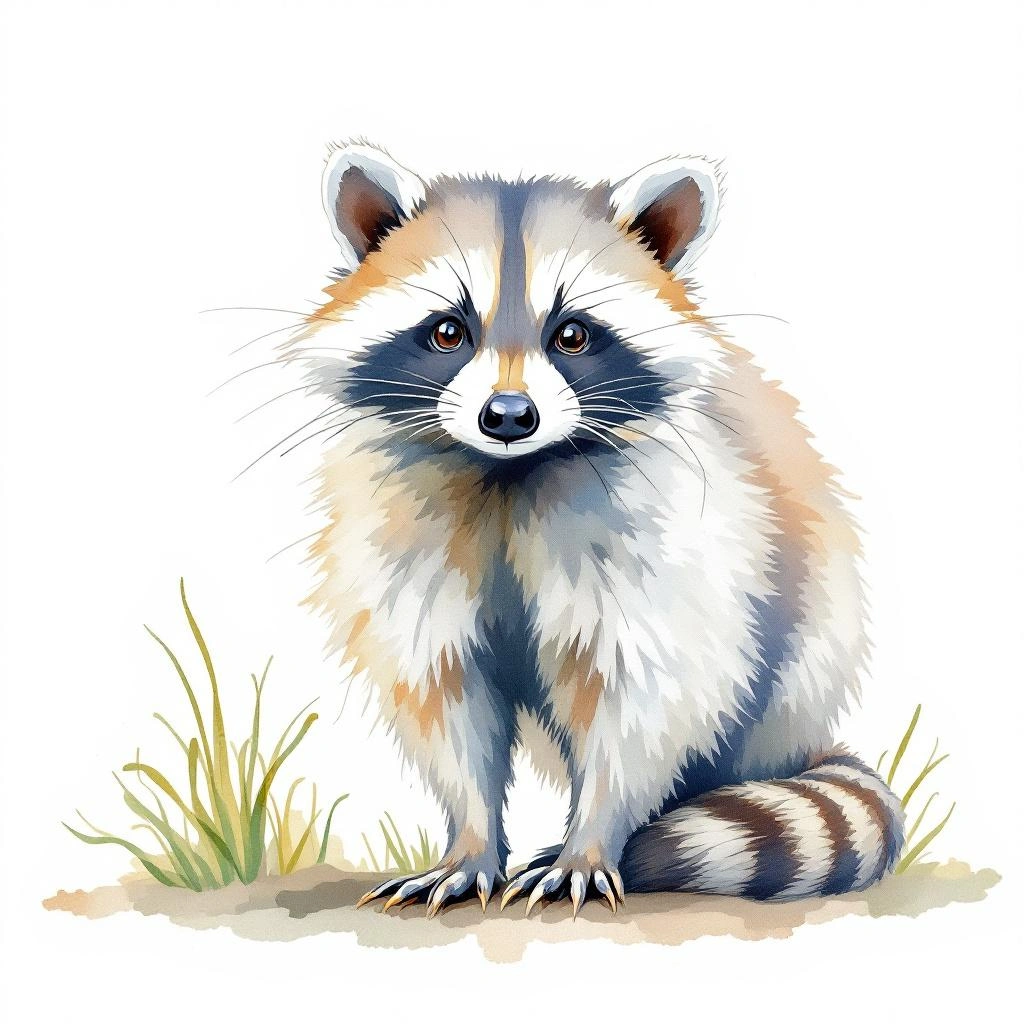
Raton laveur
Raton laveur
Procyon lotor
LC
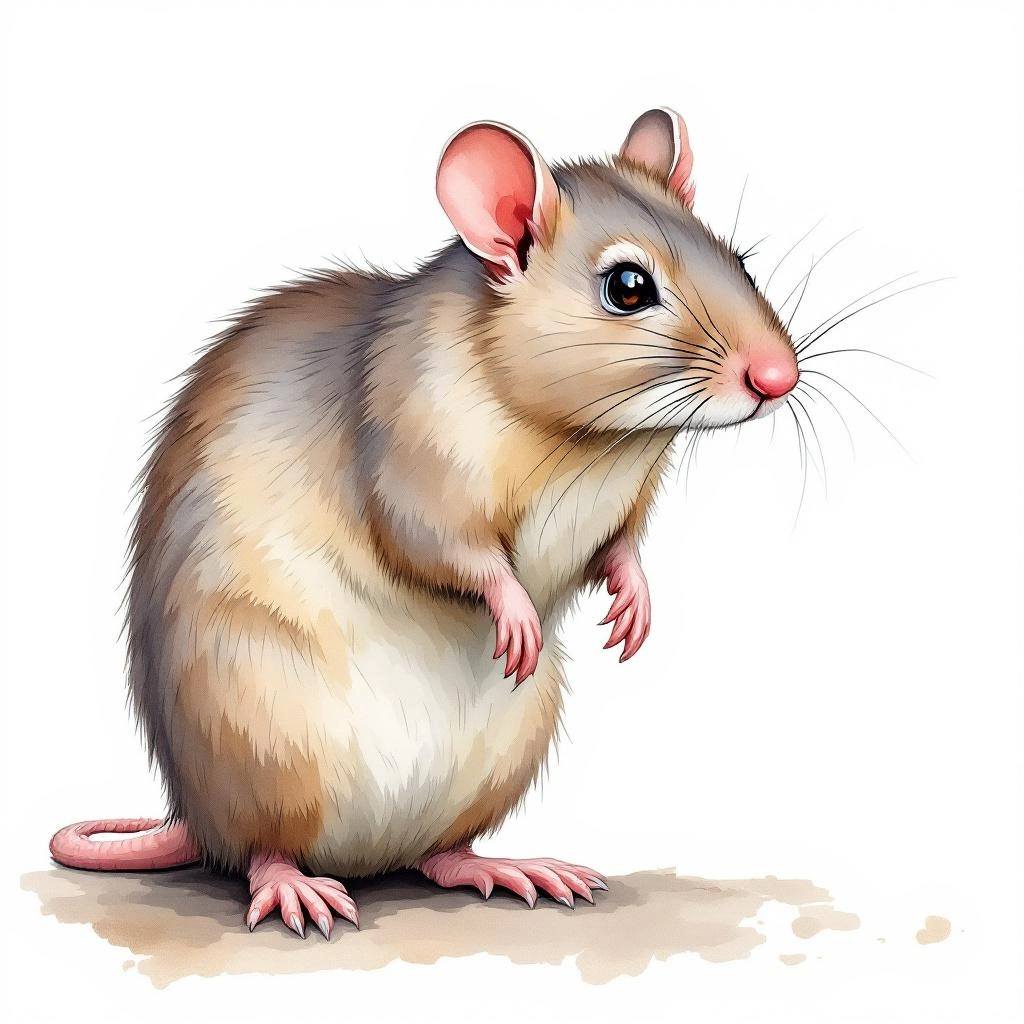
Rat surmulot
Rat surmulot
Rattus norvegicus
LC
🌾
Riz Africain
Oryza glaberrima
LC
🐁
souris commune
Mus musculus
LC
🐾
trèfle rampant
Trifolium repens
LC
🐾
verge d'or toujours verte
Solidago sempervirens
LC
🐾
Argyle apple
Eucalyptus cinerea
NT
🐾
Aroma
Dichrostachys cinerea
LC
🐾
Black mimosa
Mimosa pigra
LC
🐾
Chickenspike
Sphenoclea zeylanica
LC
🐾
Casia amarilla
Senna spectabilis
LC
🐾
Lantana
Lantana camara
LC
🐾
Apple Snail
Pomacea glauca
LC
🐾
Coqui frog
Eleutherodactylus coqui
LC
🐾
Channeled Applesnail
Pomacea canaliculata
LC
🐾
Jaraguagrass
Hyparrhenia rufa
LC
🐾
Weeping Paperbark
Melaleuca leucadendra
DD
🐾
Littlebell
Ipomoea triloba
LC
🌲
Caribbean Pine
Pinus caribaea
LC
🐾
Indonesian gum
Eucalyptus deglupta
VU
🐾
Light-blue snakeweed
Stachytarpheta jamaicensis
LC
🐾
Grand eucalyptus
Eucalyptus grandis
LC