Khangai Mountains conifer forests
The Khangai Mountains conifer forests is a temperate coniferous forests ecoregion located in the Palearctic biogeographic realm, covering Europe, northern Asia, North Africa, and the northern Middle East, spanning approximately 2,901.9 km². Classified under the WWF ecoregion code PA0512, this region represents a distinct ecological community shaped by its unique combination of climate, geography, and evolutionary history.
Climate and Vegetation
This ecoregion experiences cool to cold winters with moderate rainfall, often including significant snowfall. The dominant vegetation consists of dominated by conifers such as spruce, fir, pine, and cedar. These conditions create the foundation for the ecological communities found within the Khangai Mountains conifer forests.
Ecological Significance
These forests form some of the tallest and most massive tree stands on Earth, including old-growth forests with trees exceeding 1,000 years of age. The Khangai Mountains conifer forests contributes to the broader biodiversity patterns of the Palearctic realm.
Geographic Distribution
The Khangai Mountains conifer forests extends entirely within Mongolia. This geographic range places it within the Palearctic realm, one of the eight major biogeographic divisions of the world.
Notable Species
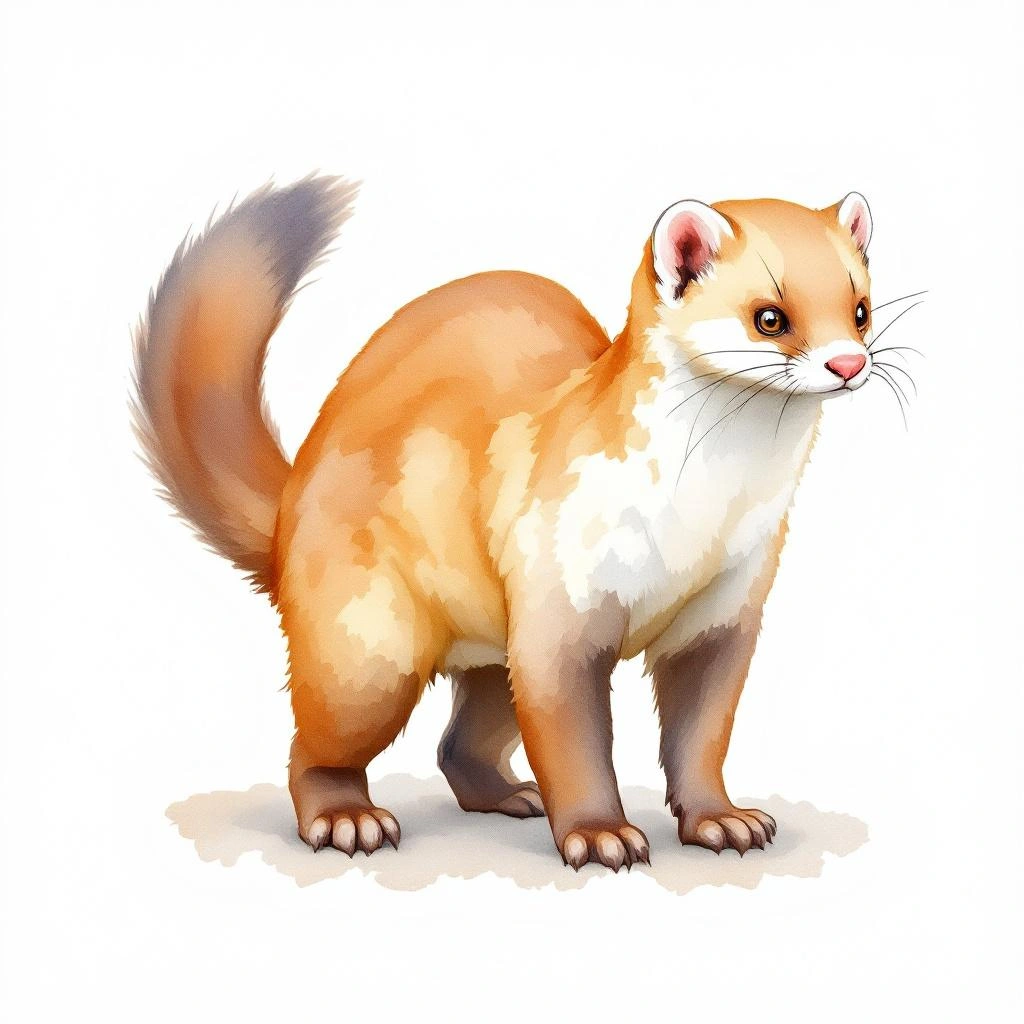
The Khangai Mountains conifer forests supports a range of wildlife, including Aaron'S Rod (Verbascum thapsus), American mink (Mustela vison), American White Moth (Hyphantria cunea), Angoumois grain moth (Sitotroga cerealella), Aniseed-Weed (Foeniculum vulgare), Annual-Aster (Callistephus chinensis), Annual Cosmos (Cosmos bipinnatus), Australian broomrape (Orobanche cernua), and 42 more species.
Conservation
Like many temperate coniferous forests ecosystems, the Khangai Mountains conifer forests faces threats from logging, wildfires exacerbated by climate change, and bark beetle outbreaks. Conservation efforts in this ecoregion focus on habitat preservation, sustainable land management, and protecting corridors that connect fragmented habitat patches.
Countries 1
Species in this Ecoregion 50