Beni savanna

NT0702 Neotropic Tropical & Subtropical Grasslands, Savannas & Shrublands 125589 km²

The Beni savanna is a tropical and subtropical grasslands, savannas and shrublands ecoregion located in the Neotropic biogeographic realm, covering Central and South America, the Caribbean, and southern portions of Mexico, spanning approximately 125,589 km². Classified under the WWF ecoregion code NT0702, this region represents a distinct ecological community shaped by its unique combination of climate, geography, and evolutionary history.

Climate and Vegetation

This ecoregion experiences warm year-round with seasonal rainfall and a distinct dry period. The dominant vegetation consists of grasses interspersed with scattered trees and shrubs. These conditions create the foundation for the ecological communities found within the Beni savanna.

Ecological Significance

Savannas support some of the most iconic large mammal assemblages on Earth, including herds of grazers and their predators. Fire and herbivory maintain the open grassland structure. The Beni savanna contributes to the broader biodiversity patterns of the Neotropic realm.

Geographic Distribution

The Beni savanna extends entirely within Bolivia. This geographic range places it within the Neotropic realm, one of the eight major biogeographic divisions of the world.

Notable Species

The Beni savanna supports a range of wildlife, including African jointgrass (Hemarthria altissima), Aleppo pine (Pinus halepensis), Awnless Brome (Bromus inermis), Basket Willow (Salix purpurea), Bedstraw (Galium aparine), Bermudagrass (Cynodon dactylon), Birdbill Dayflower (Commelina diffusa), Black Elder (Sambucus nigra), and 42 more species.

Conservation

Like many tropical and subtropical grasslands, savannas and shrublands ecosystems, the Beni savanna faces threats from overgrazing, agricultural conversion, fire suppression, and desertification. Conservation efforts in this ecoregion focus on habitat preservation, sustainable land management, and protecting corridors that connect fragmented habitat patches.

Countries 1

Species in this Ecoregion 50
🐾
ajonc deurope
Ulex europaeus
LC
🐾
Brome inerme
Bromus inermis
LC
🐾
camomille allemande
Matricaria chamomilla
LC
🐾
Chardonneret élégant
Carduelis carduelis
LC
🐾
chénopode blanc
Chenopodium album
LC
🐾
chiendent dactyle
Cynodon dactylon
LC
🐾
cirse commun
Cirsium vulgare
LC
🐾
dattier des Canaries
Phoenix canariensis
LC
🐾
Éleusine d'Inde
Eleusine indica
LC
🐾
erythrée petite centaurée
Centaurium erythraea
LC
🐾
Étourneau sansonnet
Sturnus vulgaris
NT
🐾
folle-avoine
Avena fatua
LC
🐾
fougère-aigle
Pteridium aquilinum
LC
🐾
gaillet gratteron
Galium aparine
LC
🐾
Grande Passerage
Lepidium latifolium
LC
🐾
Hémarthrie Comprimée
Hemarthria altissima
LC
🐾
herbe à robert
Geranium robertianum
LC
🐾
hydrocotyle fausse-renoncule
Hydrocotyle ranunculoides
LC
🐾
lamier amplexicaule
Lamium amplexicaule
LC
🐇
lapin, lapin de garenne
Oryctolagus cuniculus
NT
🐾
Lenticule très petite
Lemna perpusilla
LC
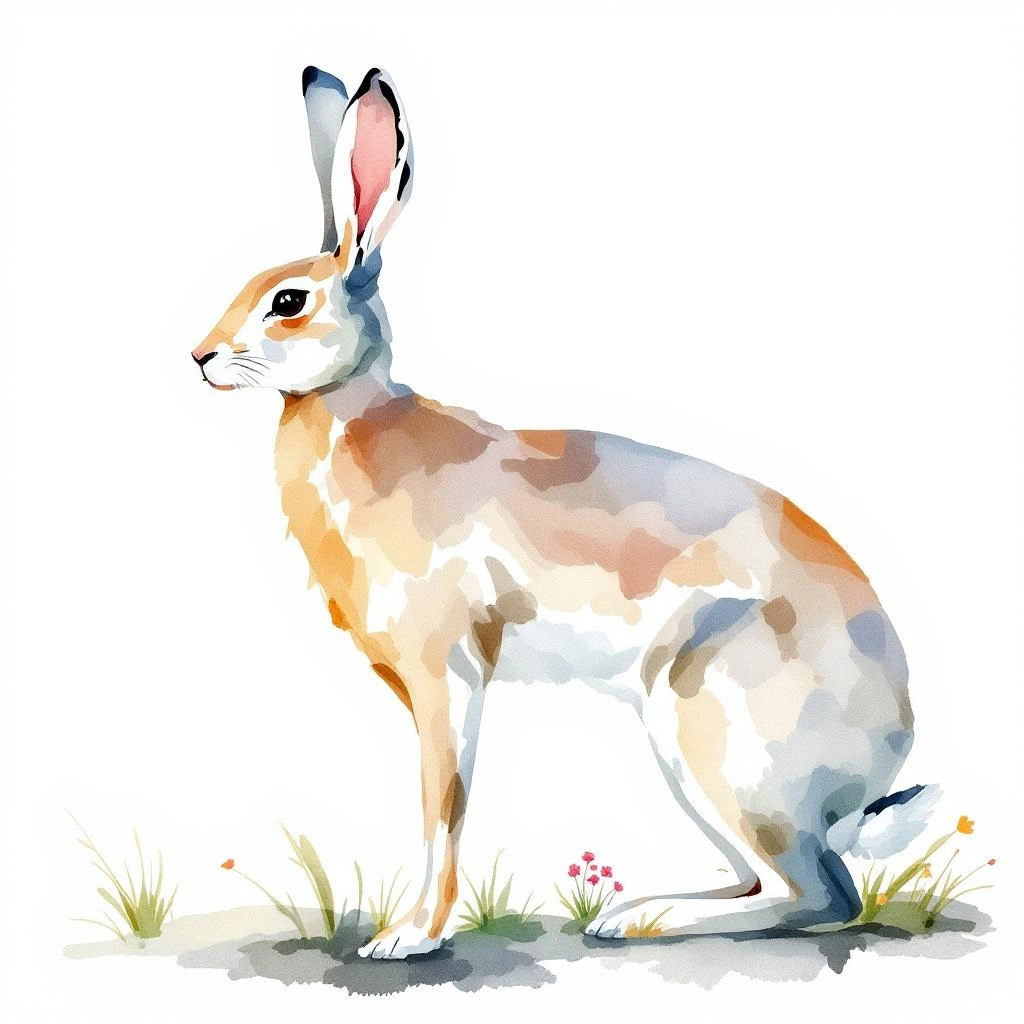
lièvre
lièvre
Lepus europaeus
NT
🐾
Lievre Du Cap
Lepus capensis
LC
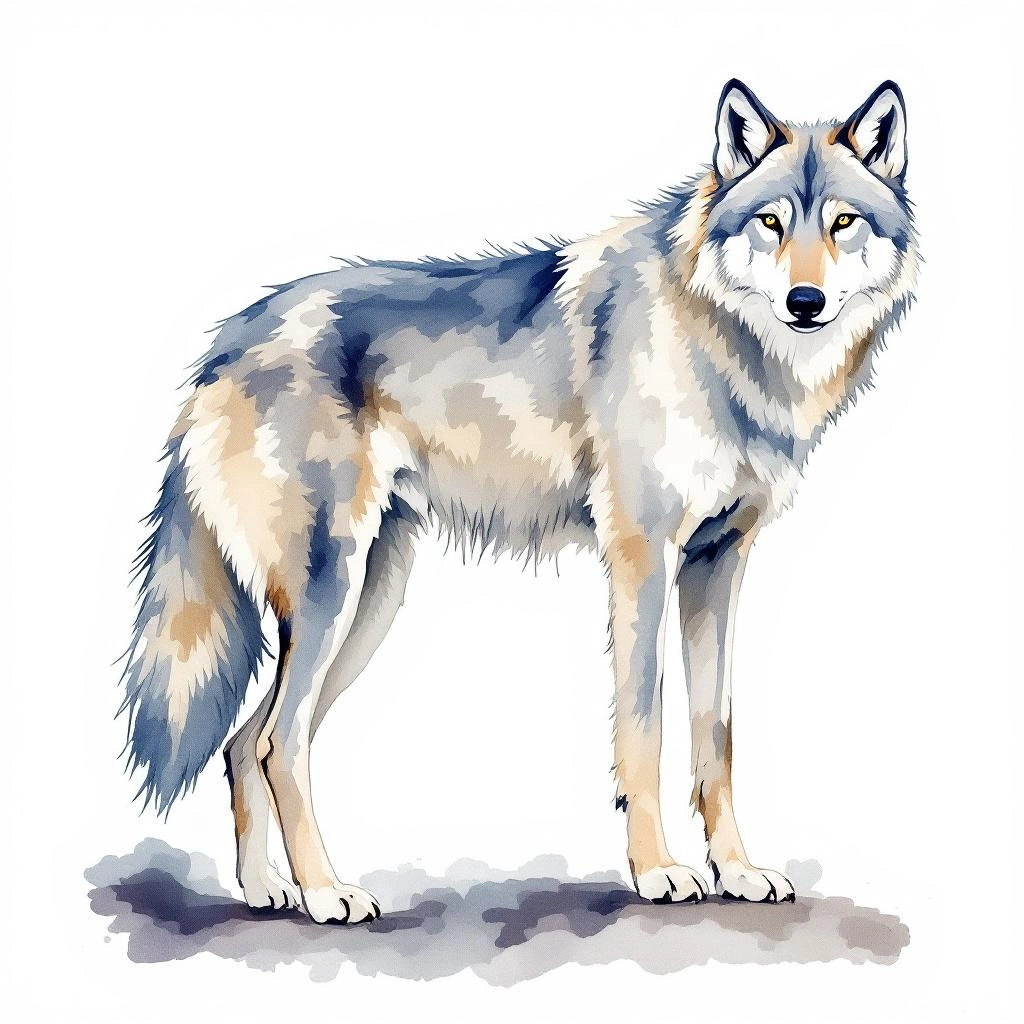
loup
loup
Canis lupus
CR
🐾
mâche
Valerianella locusta
NT
🐾
Martin huppé
Acridotheres cristatellus
LC
🐾
massette à feuilles étroites
Typha angustifolia
LC
🐾
moule pygmée
Limnoperna fortunei
LC
🐾
Moutarde noire
Brassica nigra
LC
🐾
osier pourpre
Salix purpurea
LC
🐾
Oxalide à larges feuilles
Oxalis latifolia
LC
🐾
petite ortie, ortie brûlante
Urtica urens
VU
🌲
Pin blanc
Pinus halepensis
LC
🌲
Pin de Monterey
Pinus radiata
EN
🐾
plantain lancéolé
Plantago lanceolata
LC
🐾
quinquina rouge
Cinchona pubescens
VU
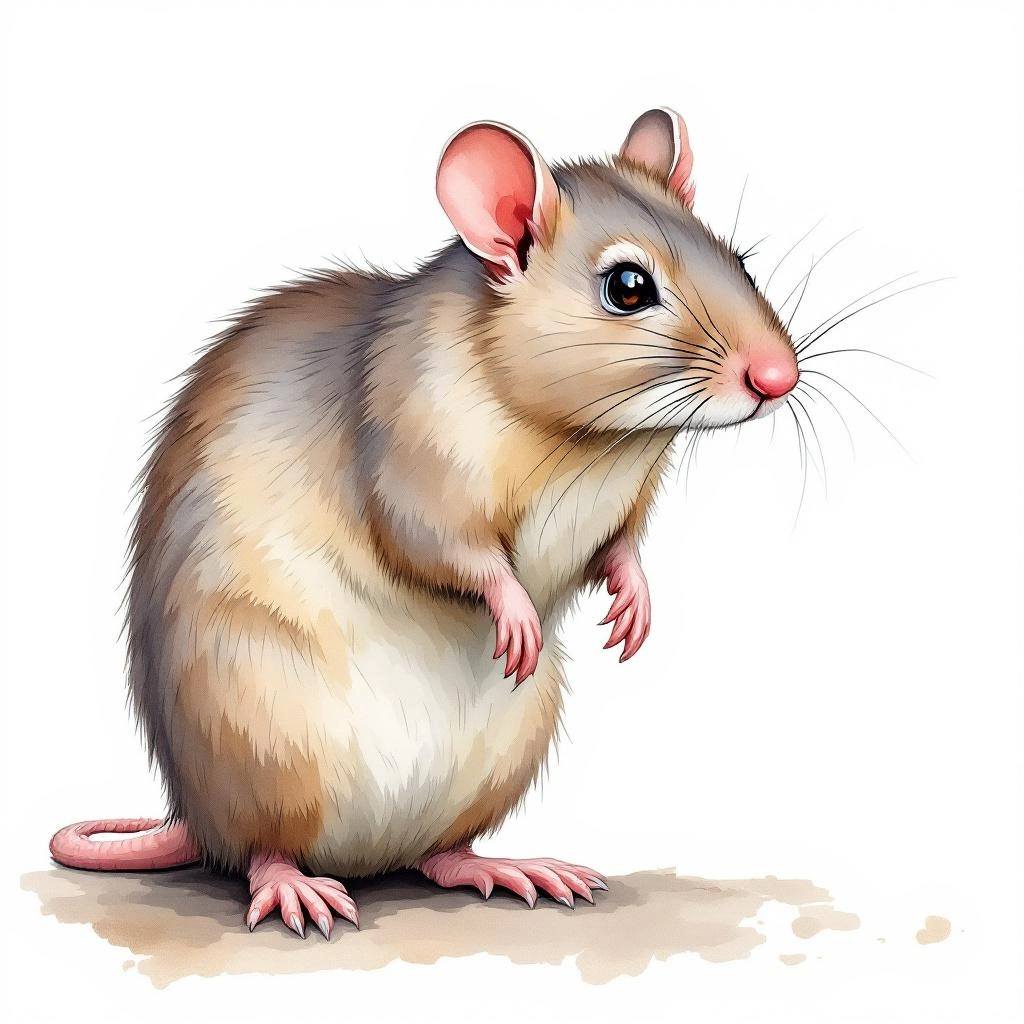
Rat surmulot
Rat surmulot
Rattus norvegicus
LC
🐾
Souchet odorant
Cyperus odoratus
LC
🐁
souris commune
Mus musculus
LC
🐾
spargoute des champs
Spergula arvensis
LC
🐾
sureau noir
Sambucus nigra
LC
🐾
Coralbush
Jatropha multifida
LC
🌾
Brownbeard rice
Oryza rufipogon
LC
🐾
Jaraguagrass
Hyparrhenia rufa
LC
🐾
Gray ironbark
Eucalyptus paniculata
NT
🐾
Birdbill Dayflower
Commelina diffusa
LC
🌲
Caribbean Pine
Pinus caribaea
LC
🐾
German Wasp
Vespula germanica
LC
🐾
Woodwasp
Sirex noctilio
VU
🐾
Chickenspike
Sphenoclea zeylanica
LC