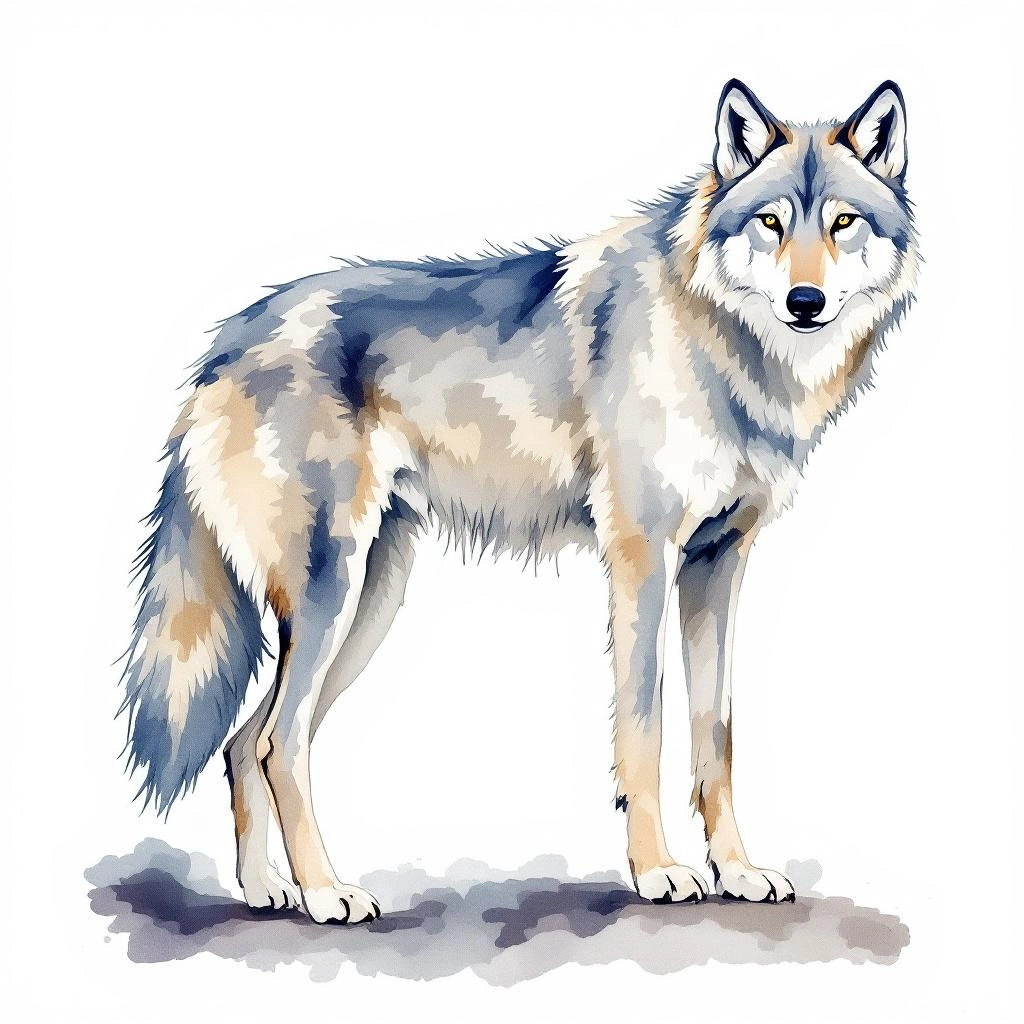
Trans-Baikal conifer forests
The Trans-Baikal conifer forests is a boreal forests and taiga ecoregion located in the Palearctic biogeographic realm, covering Europe, northern Asia, North Africa, and the northern Middle East, spanning approximately 201,184 km². Classified under the WWF ecoregion code PA0609, this region represents a distinct ecological community shaped by its unique combination of climate, geography, and evolutionary history.
Climate and Vegetation
This ecoregion experiences long, harsh winters and short, cool summers with low annual precipitation. The dominant vegetation consists of coniferous species such as spruce, larch, and pine with lichen-rich ground cover. These conditions create the foundation for the ecological communities found within the Trans-Baikal conifer forests.
Ecological Significance
The boreal biome forms the largest terrestrial biome by area, encircling the Northern Hemisphere. Permafrost underlies much of this region, and the forests serve as a critical global carbon sink. The Trans-Baikal conifer forests contributes to the broader biodiversity patterns of the Palearctic realm.
Geographic Distribution
The Trans-Baikal conifer forests extends across Mongolia and Russia. This geographic range places it within the Palearctic realm, one of the eight major biogeographic divisions of the world.
Notable Species
The Trans-Baikal conifer forests supports a range of wildlife, including Arctic Warbler (Phylloscopus borealis), Ball Mustard (Neslia paniculata), Bastard Alkanet (Buglossoides arvensis), bicoloured white-toothed shrew, bicoloured shrew (Crocidura leucodon), Big-Leaf Linden (Tilia platyphyllos), Black Henbane (Hyoscyamus niger), Black-Necked Grebe (Podiceps nigricollis), Black-tailed Godwit (Limosa limosa), and 42 more species. Among these, 20 species are classified as threatened on the IUCN Red List, underscoring the conservation importance of this ecoregion.
Conservation
Like many boreal forests and taiga ecosystems, the Trans-Baikal conifer forests faces threats from climate warming, permafrost thaw, wildfire intensification, and resource extraction. Conservation efforts in this ecoregion focus on habitat preservation, sustainable land management, and protecting corridors that connect fragmented habitat patches.
Countries 2
Species in this Ecoregion 50