Kalahari xeric savanna
The Kalahari xeric savanna is a deserts and xeric shrublands ecoregion located in the Afrotropic biogeographic realm, covering sub-Saharan Africa and the southern Arabian Peninsula, spanning approximately 685,551 km². Classified under the WWF ecoregion code AT1309, this region represents a distinct ecological community shaped by its unique combination of climate, geography, and evolutionary history.
Climate and Vegetation
This ecoregion experiences arid to hyper-arid with extreme temperature fluctuations and minimal rainfall. The dominant vegetation consists of sparse succulents, drought-adapted shrubs, and ephemeral annuals. These conditions create the foundation for the ecological communities found within the Kalahari xeric savanna.
Ecological Significance
Desert species exhibit remarkable adaptations to water scarcity, including nocturnal activity patterns, water-storing tissues, and deep root systems. Biological soil crusts play a critical role in nutrient cycling. The Kalahari xeric savanna contributes to the broader biodiversity patterns of the Afrotropic realm.
Geographic Distribution
The Kalahari xeric savanna extends across Botswana, Namibia, and South Africa. This geographic range places it within the Afrotropic realm, one of the eight major biogeographic divisions of the world.
Notable Species
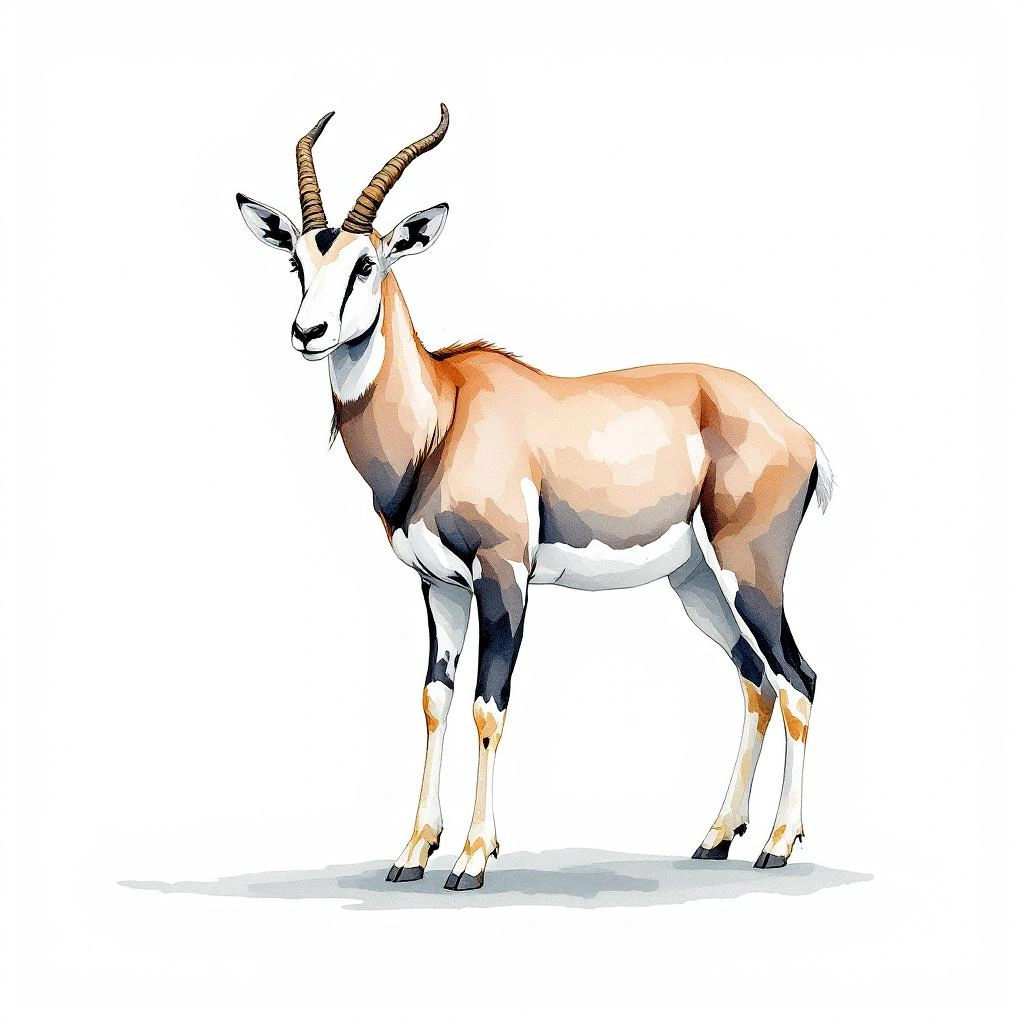
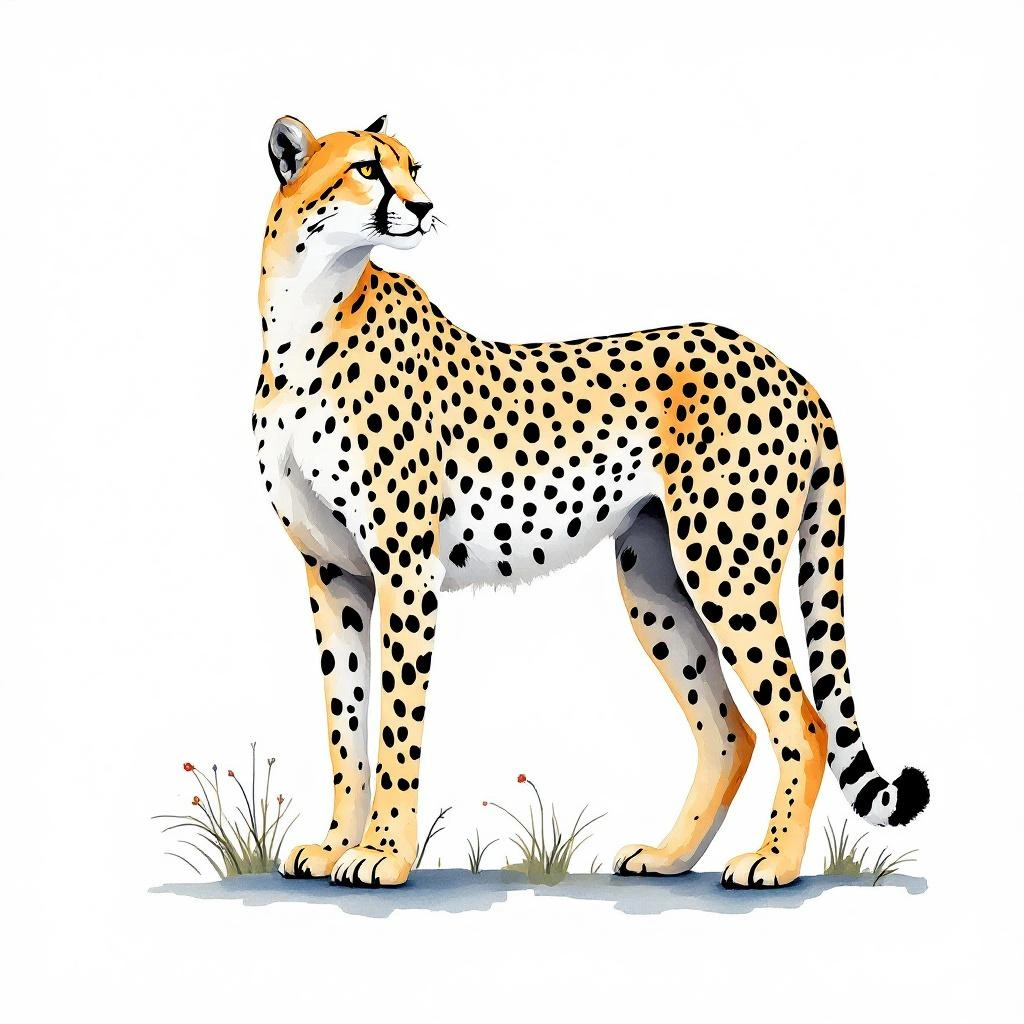
The Kalahari xeric savanna supports a range of wildlife, including Addax (Addax nasomaculatus), Adonis' Ladybird (Hippodamia variegata), African wild dog (Lycaon pictus), agate snail (Cecilioides acicula), Ajuga (Ajuga reptans), American Chestnut (Castanea dentata), aoudad (Ammotragus lervia), Australian Spinach (Chenopodiastrum murale), and 42 more species. Among these, 20 species are classified as threatened on the IUCN Red List, underscoring the conservation importance of this ecoregion.
Conservation
Like many deserts and xeric shrublands ecosystems, the Kalahari xeric savanna faces threats from overgrazing, groundwater depletion, solar energy development, and off-road vehicles. Conservation efforts in this ecoregion focus on habitat preservation, sustainable land management, and protecting corridors that connect fragmented habitat patches.
Countries 3
Species in this Ecoregion 50