Indochina mangroves
The Indochina mangroves is a mangroves ecoregion located in the Indomalaya biogeographic realm, covering South and Southeast Asia, extending from the Indian subcontinent to southern China, spanning approximately 26,762 km². Classified under the WWF ecoregion code IM1402, this region represents a distinct ecological community shaped by its unique combination of climate, geography, and evolutionary history.
Climate and Vegetation
This ecoregion experiences tropical to subtropical coastal zones with brackish water and tidal influence. The dominant vegetation consists of salt-tolerant trees and shrubs with specialised root systems. These conditions create the foundation for the ecological communities found within the Indochina mangroves.
Ecological Significance
Mangrove forests protect coastlines from erosion and storms, serve as nurseries for commercial fish species, and sequester carbon at rates exceeding most terrestrial forests per unit area. The Indochina mangroves contributes to the broader biodiversity patterns of the Indomalaya realm.
Geographic Distribution
The Indochina mangroves extends across Cambodia, Thailand, and Vietnam. This geographic range places it within the Indomalaya realm, one of the eight major biogeographic divisions of the world.
Notable Species
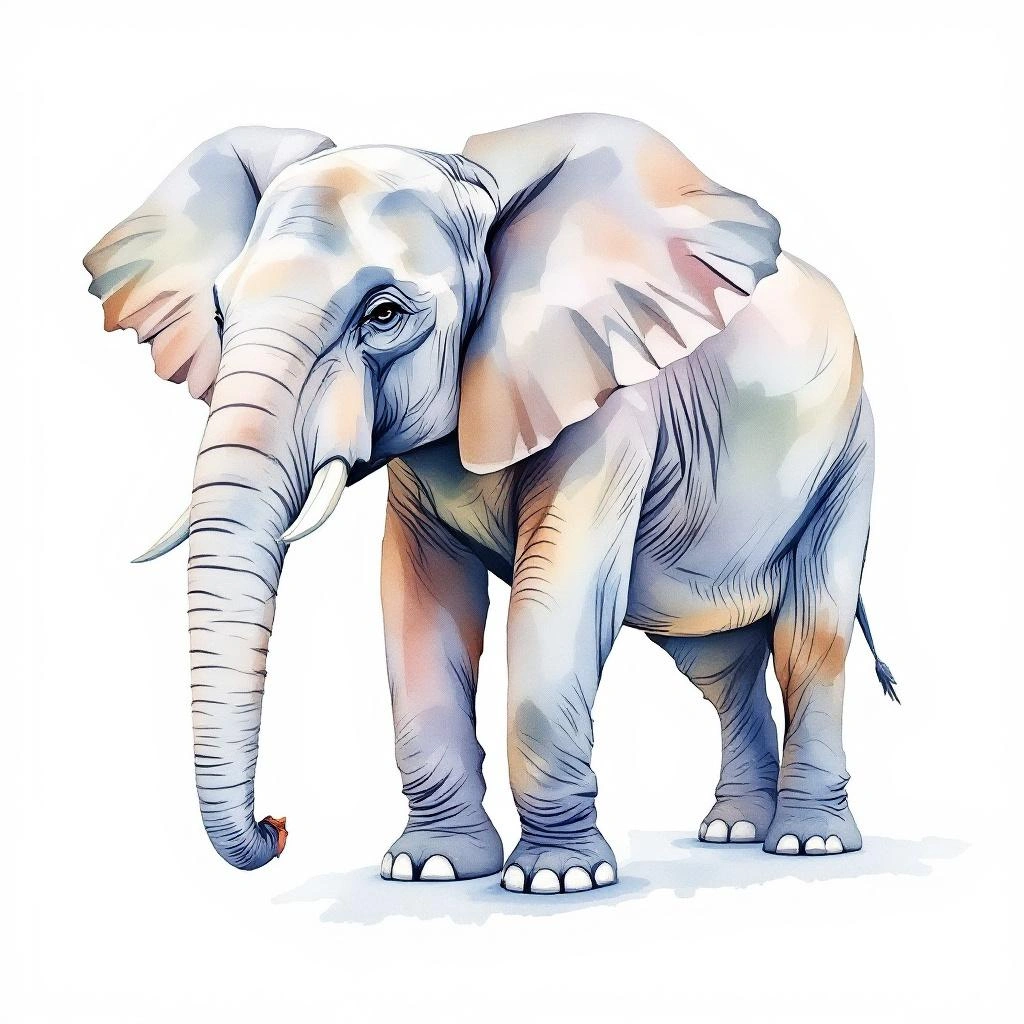
The Indochina mangroves supports a range of wildlife, including Allspice (Pimenta dioica), American Black Nightshade (Solanum americanum), American carpet grass (Axonopus compressus), Anil de pasto (Indigofera suffruticosa), appleblossom cassia (Cassia grandis), Aroma (Dichrostachys cinerea), Arrowleaf sida (Sida rhombifolia), Asiatic elephant (Elephas maximus), and 42 more species. Among these, 1 species is classified as threatened on the IUCN Red List, underscoring the conservation importance of this ecoregion.
Conservation
Like many mangroves ecosystems, the Indochina mangroves faces threats from coastal development, aquaculture expansion, sea-level rise, and pollution. Conservation efforts in this ecoregion focus on habitat preservation, sustainable land management, and protecting corridors that connect fragmented habitat patches.
Countries 3
Species in this Ecoregion 50