Himalayan subtropical broadleaf forests
The Himalayan subtropical broadleaf forests is a tropical and subtropical moist broadleaf forests ecoregion located in the Indomalaya biogeographic realm, covering South and Southeast Asia, extending from the Indian subcontinent to southern China, spanning approximately 38,125 km². Classified under the WWF ecoregion code IM0115, this region represents a distinct ecological community shaped by its unique combination of climate, geography, and evolutionary history.
Climate and Vegetation
This ecoregion experiences warm year-round with high annual rainfall, typically exceeding 2,000 mm. The dominant vegetation consists of dense, multi-layered canopy of broadleaf evergreen trees. These conditions create the foundation for the ecological communities found within the Himalayan subtropical broadleaf forests.
Ecological Significance
These forests are the most biodiverse terrestrial ecosystems on Earth, hosting an extraordinary density of plant and animal species per unit area. Epiphytes, lianas, and a rich understorey characterise the complex vertical structure. The Himalayan subtropical broadleaf forests contributes to the broader biodiversity patterns of the Indomalaya realm.
Geographic Distribution
The Himalayan subtropical broadleaf forests extends across Bhutan and Nepal. This geographic range places it within the Indomalaya realm, one of the eight major biogeographic divisions of the world.
Notable Species
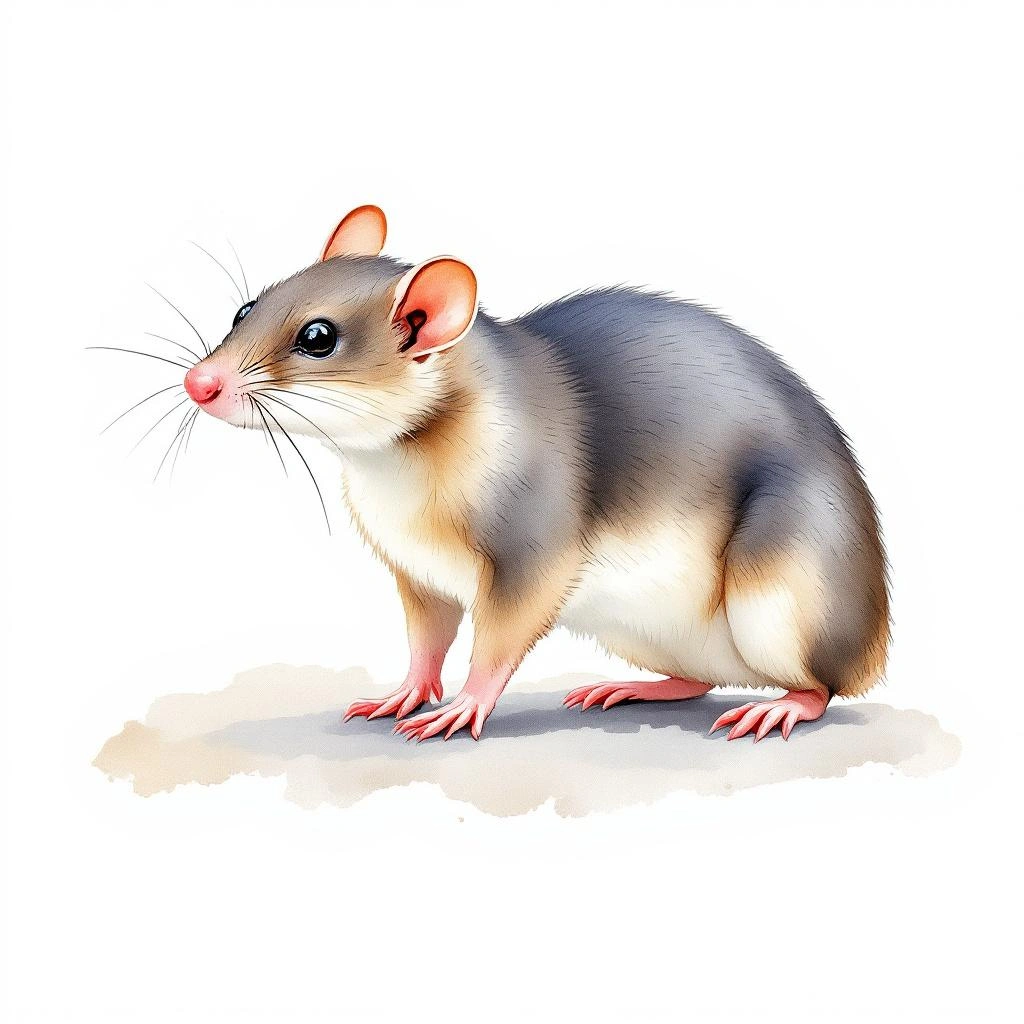
The Himalayan subtropical broadleaf forests supports a range of wildlife, including African bristlegrass (Setaria sphacelata), Alfalfa (Medicago sativa), American carpet grass (Axonopus compressus), Antelope Grass (Echinochloa pyramidalis), Arrowleaf sida (Sida rhombifolia), Asian house shrew (Suncus murinus), Asian marshweed (Limnophila sessiliflora), Awnless Barnyard Grass (Echinochloa colonum), and 42 more species.
Conservation
Like many tropical and subtropical moist broadleaf forests ecosystems, the Himalayan subtropical broadleaf forests faces threats from deforestation, agricultural expansion, logging, and climate change. Conservation efforts in this ecoregion focus on habitat preservation, sustainable land management, and protecting corridors that connect fragmented habitat patches.
Countries 2
Species in this Ecoregion 50