Pantanal

NT0907 Neotropic Flooded Grasslands & Savannas 170501 km²

The Pantanal is a flooded grasslands and savannas ecoregion located in the Neotropic biogeographic realm, covering Central and South America, the Caribbean, and southern portions of Mexico, spanning approximately 170,501 km². Classified under the WWF ecoregion code NT0907, this region represents a distinct ecological community shaped by its unique combination of climate, geography, and evolutionary history.

Climate and Vegetation

This ecoregion experiences seasonal flooding with waterlogged soils for significant portions of the year. The dominant vegetation consists of grasses and sedges adapted to periodic inundation. These conditions create the foundation for the ecological communities found within the Pantanal.

Ecological Significance

These wetland ecosystems are critical for waterbirds, fish, and amphibians, serving as nursery habitats and seasonal migration stopover points. The Pantanal contributes to the broader biodiversity patterns of the Neotropic realm.

Geographic Distribution

The Pantanal extends across Bolivia, Brazil, and Paraguay. This geographic range places it within the Neotropic realm, one of the eight major biogeographic divisions of the world.

Notable Species

The Pantanal supports a range of wildlife, including (Tulostoma fimbriatum), (Disciseda bovista), (Echinoderma calcicola), (Lecanographa lyncea), (Xylaria corniformis), (Antrodia heteromorpha), (Disciseda candida), (Ganoderma resinaceum), and 42 more species. Among these, 20 species are classified as threatened on the IUCN Red List, underscoring the conservation importance of this ecoregion.

Conservation

Like many flooded grasslands and savannas ecosystems, the Pantanal faces threats from dam construction, drainage for agriculture, water diversion, and pollution. Conservation efforts in this ecoregion focus on habitat preservation, sustainable land management, and protecting corridors that connect fragmented habitat patches.

Countries 3

Species in this Ecoregion 50
🐾
amerikanische Ölpalme
Elaeis oleifera
EN
🐾
Atlaszeder
Cedrus atlantica
EN
🐾
Baboen
Virola surinamensis
EN
🐾
Cremeweißer Schirmling
Lepiota subalba
EN
🐾
dreiblütige Macadamianuß
Macadamia ternifolia
EN
🐾
Dreihörniges Labkraut
Galium tricornutum
CR
🐾
Dung-Teuerling
Cyathus stercoreus
CR
🐾
Dunkler Erdstern
Geastrum coronatum
CR
🐾
Gewimperter Stielbovist
Tulostoma fimbriatum
EN
🐾
Gewöhnliche Kornrade
Agrostemma githago
CR
🐾
Großer Nesterdstern
Geastrum fornicatum
CR
🐾
Großer Scheibenbovist
Disciseda bovista
CR
🐾
Harziger Lackporling
Ganoderma resinaceum
EN
🐾
Heckenzwiebel
Allium fistulosum
CR
🐾
Heide-Schwefelkopf
Hypholoma ericaeum
EN
🐾
Kahles Ferkelkraut
Hypochaeris glabra
CR
🐾
Kleiner Scheibenbovist
Disciseda candida
CR
🐾
Kriechender Güünsel
Ajuga reptans
EN
🐾
Lössackerbinse
Juncus capitatus
CR
🐾
Poleiminze
Mentha pulegium
CR
🐾
Sanders Pfeilblatt
Alocasia sanderiana
CR
🐾
Sieb-Erdstern
Myriostoma coliforme
CR
🐾
Spindel-Futterpalme
Hyophorbe verschaffeltii
CR
🐾
Sternstäubling
Mycenastrum corium
EN
🐾
Strand-Beifuß
Artemisia maritima
CR
🐾
Taumellolch
Lolium temulentum
CR
🐾
Vielgestaltige Tramete
Antrodia heteromorpha
CR
🐾
Weidenblättriger Lattich
Lactuca saligna
CR
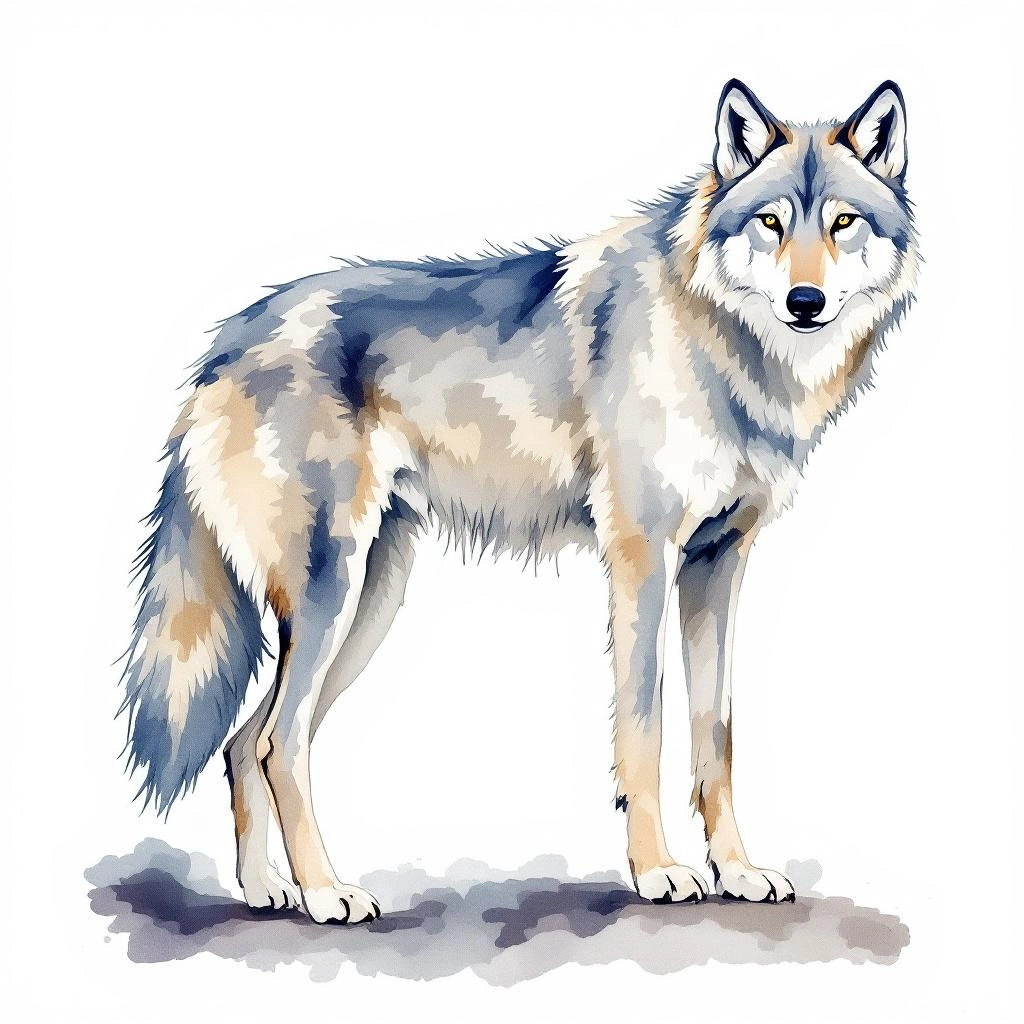
Wolf
Wolf
Canis lupus
CR
🐾
Wurzelnder Egerlingsschirmpilz
Leucoagaricus barssii
CR
🐾
Argentine cedar
Cedrela fissilis
EN
🐾
Candelabra Tree
Araucaria angustifolia
CR
🐾
cone-like Turk's-head cactus
Melocactus conoideus
CR
🐾
Sander's Paphiopedilum
Paphiopedilum sanderianum
CR
🐾
Tiny Flowered Paphiopedilum
Paphiopedilum micranthum
CR
🐾
Elegant Earthstar
Geastrum elegans
CR
🐾
partridgewood
Vouacapoua americana
CR
🐾
Sukhakul's Paphiopedilum
Paphiopedilum sukhakulii
CR
🐾
Killarney Featherwort
Plagiochila bifaria
CR
🐾
Stripy Ponytail
Beaucarnea recurvata
CR
🐾
lemon bacopa
Bacopa caroliniana
CR
🐾
Bottle Palm
Hyophorbe lagenicaulis
CR
🐾
Porotheleum fimbriatum
EN
🐾
Wedge Flapwort
Leptoscyphus cuneifolius
CR
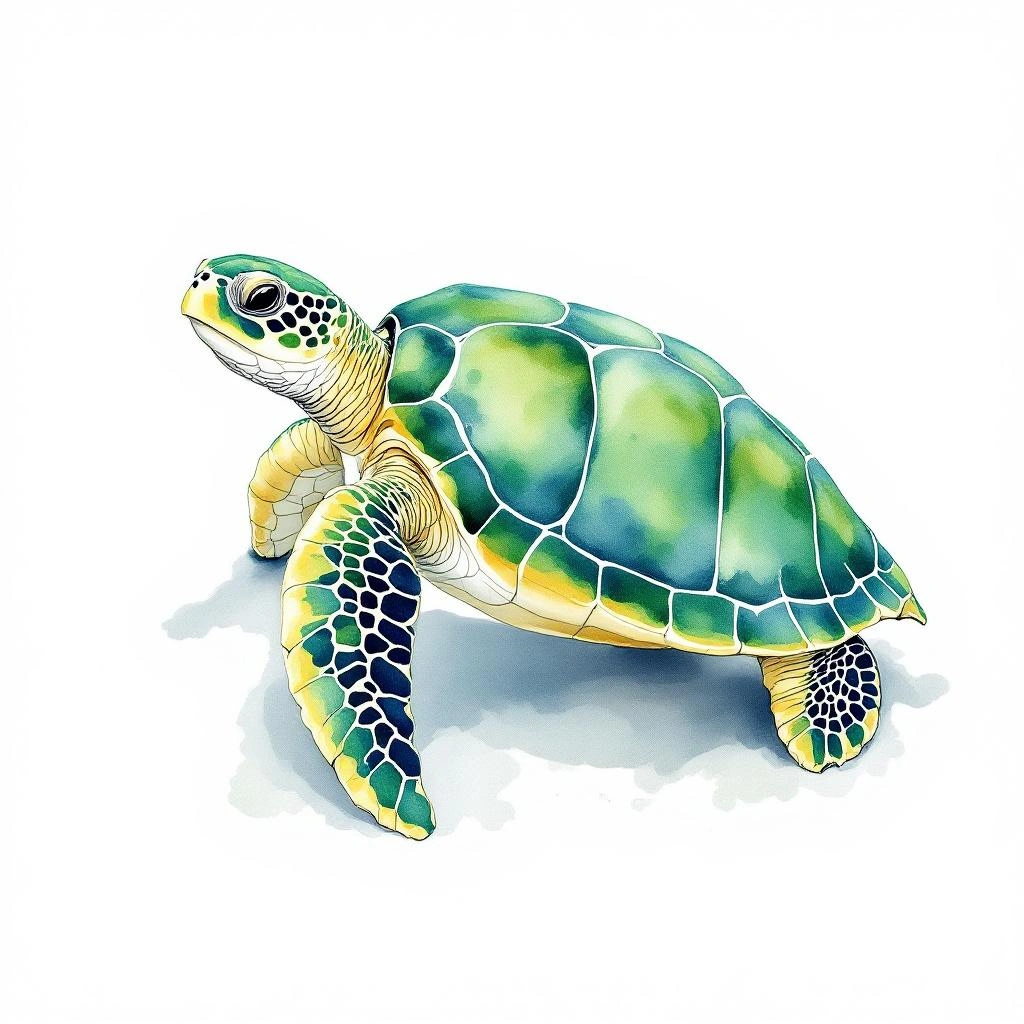
Green Sea Turtle
Green Sea Turtle
Chelonia mydas
EN
🐾
Lecanographa lyncea
CR
🐾
Ramalina lacera
CR
🐾
Coniocarpon cinnabarinum
CR
🐾
Xylaria corniformis
EN
🐾
Echinoderma calcicola
EN