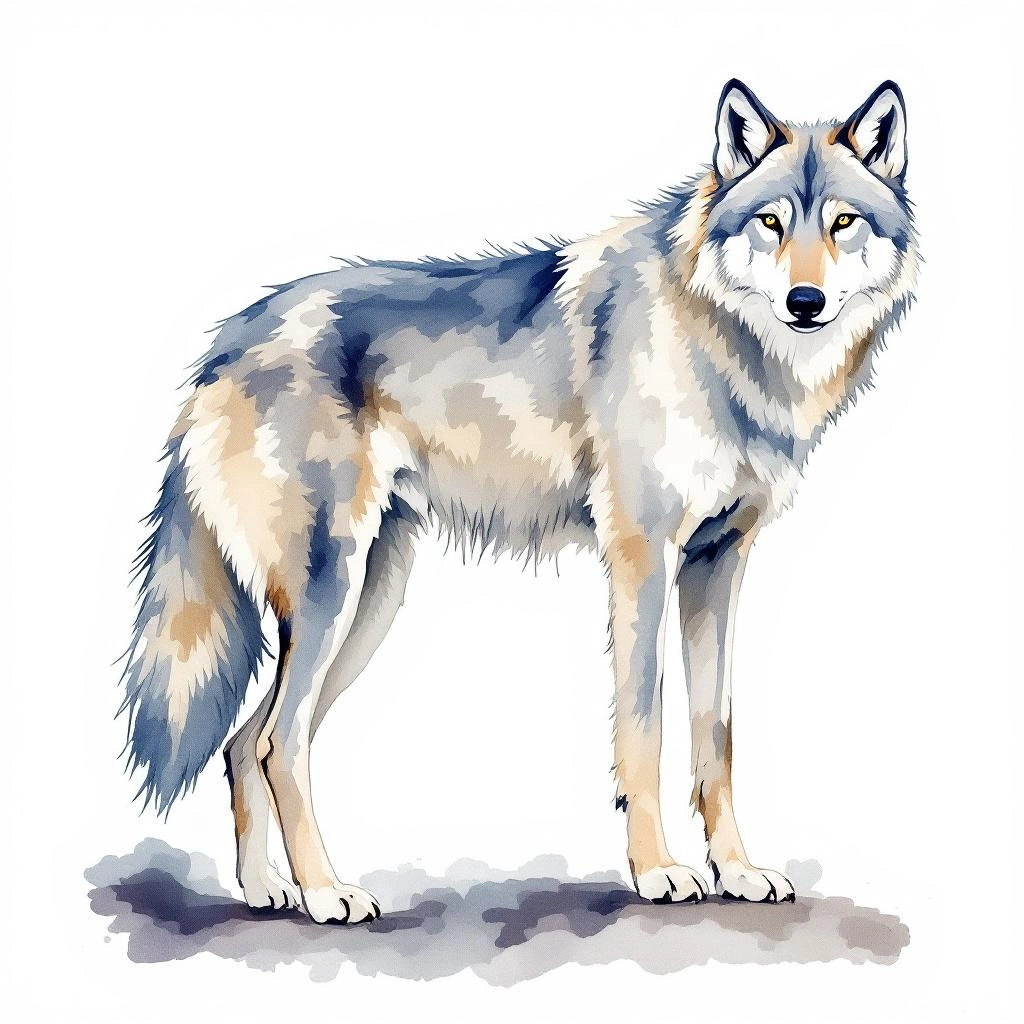
Patagonian steppe
The Patagonian steppe is a temperate grasslands, savannas and shrublands ecoregion located in the Neotropic biogeographic realm, covering Central and South America, the Caribbean, and southern portions of Mexico, spanning approximately 576,598 km². Classified under the WWF ecoregion code NT0805, this region represents a distinct ecological community shaped by its unique combination of climate, geography, and evolutionary history.
Climate and Vegetation
This ecoregion experiences continental with hot summers, cold winters, and moderate, seasonal rainfall. The dominant vegetation consists of perennial grasses with few trees, forming extensive prairies and steppes. These conditions create the foundation for the ecological communities found within the Patagonian steppe.
Ecological Significance
Among the most converted biomes on Earth, temperate grasslands have deep, fertile soils that make them prime agricultural land. Burrowing mammals, raptors, and large ungulates are characteristic fauna. The Patagonian steppe contributes to the broader biodiversity patterns of the Neotropic realm.
Geographic Distribution
The Patagonian steppe extends across Argentina and Chile. This geographic range places it within the Neotropic realm, one of the eight major biogeographic divisions of the world.
Notable Species
The Patagonian steppe supports a range of wildlife, including Adonis' Ladybird (Hippodamia variegata), Anchovy-Eater (Carcharodon carcharias), Angel shark (Squatina armata), Australian Spinach (Chenopodiastrum murale), Austral ray (Bathyraja griseocauda), Baby Pondweed (Potamogeton pusillus), Ball Mustard (Neslia paniculata), Basking shark (Rhincodon typus), and 42 more species. Among these, 20 species are classified as threatened on the IUCN Red List, underscoring the conservation importance of this ecoregion.
Conservation
Like many temperate grasslands, savannas and shrublands ecosystems, the Patagonian steppe faces threats from agriculture, overgrazing, habitat fragmentation, and loss of keystone grazers. Conservation efforts in this ecoregion focus on habitat preservation, sustainable land management, and protecting corridors that connect fragmented habitat patches.
Countries 2
Species in this Ecoregion 50