Kuh Rud and Eastern Iran montane woodlands
The Kuh Rud and Eastern Iran montane woodlands is a montane grasslands and shrublands ecoregion located in the Palearctic biogeographic realm, covering Europe, northern Asia, North Africa, and the northern Middle East, spanning approximately 126,224 km². Classified under the WWF ecoregion code PA1009, this region represents a distinct ecological community shaped by its unique combination of climate, geography, and evolutionary history.
Climate and Vegetation
This ecoregion experiences cool temperatures with high UV radiation and variable precipitation at altitude. The dominant vegetation consists of alpine grasses, cushion plants, and low shrubs above the treeline. These conditions create the foundation for the ecological communities found within the Kuh Rud and Eastern Iran montane woodlands.
Ecological Significance
These high-altitude ecosystems are islands of unique biodiversity, often harbouring species found nowhere else due to geographic isolation. They are especially sensitive to climate warming. The Kuh Rud and Eastern Iran montane woodlands contributes to the broader biodiversity patterns of the Palearctic realm.
Geographic Distribution
The Kuh Rud and Eastern Iran montane woodlands extends across Iran and Pakistan. This geographic range places it within the Palearctic realm, one of the eight major biogeographic divisions of the world.
Notable Species
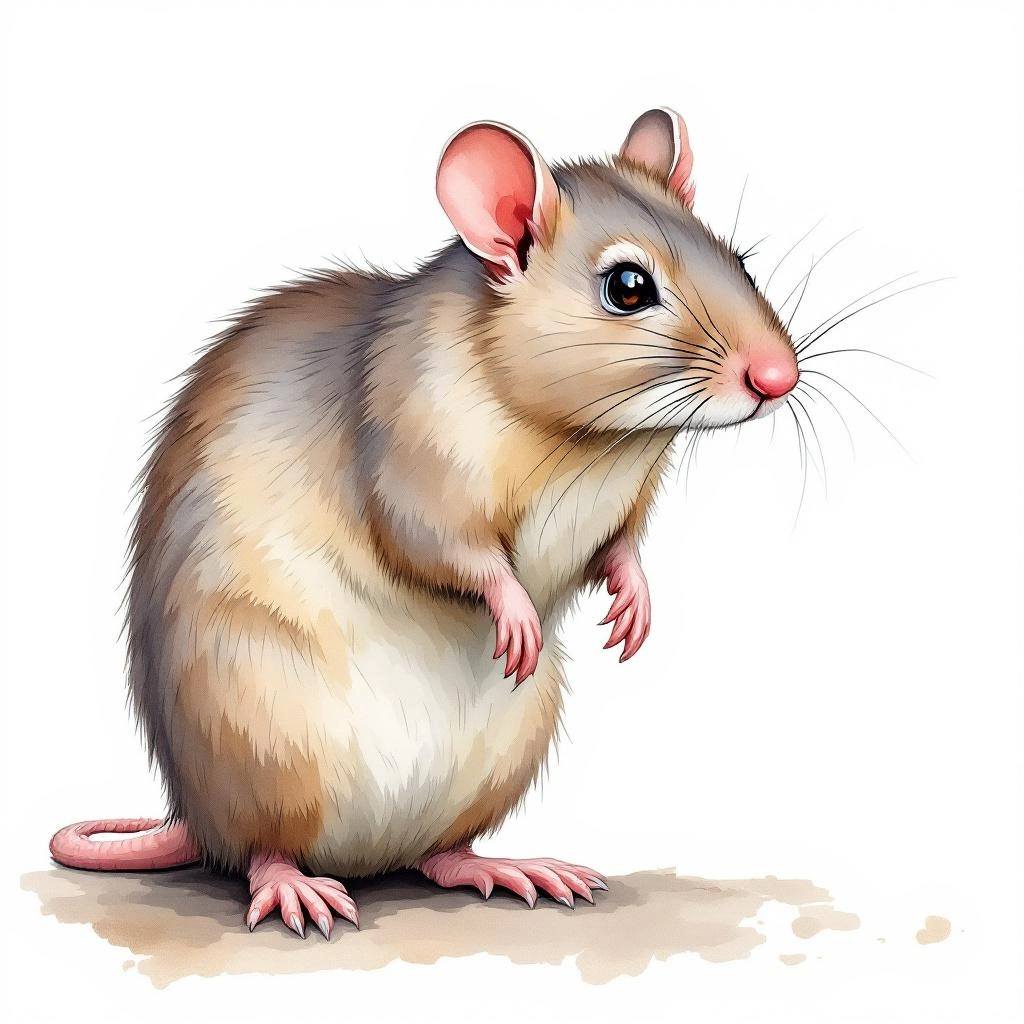
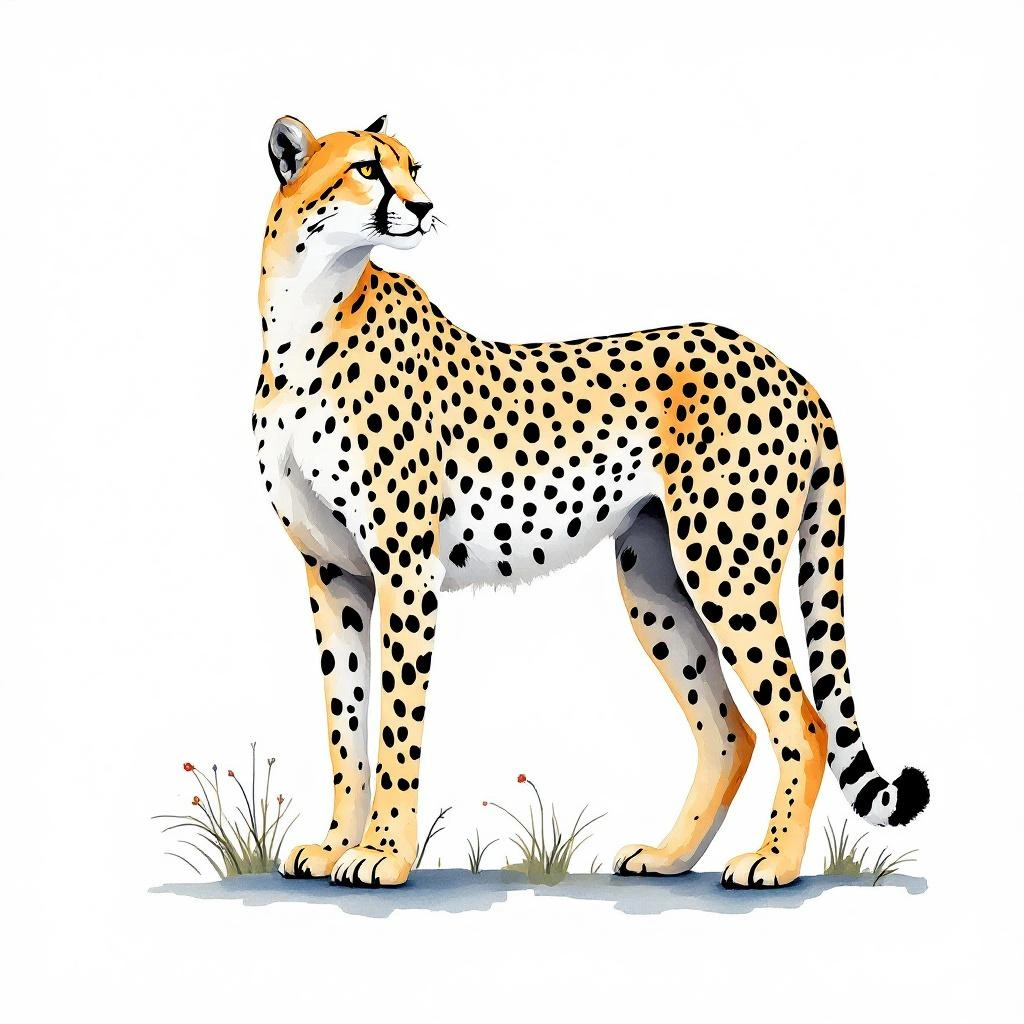
The Kuh Rud and Eastern Iran montane woodlands supports a range of wildlife, including Aaron'S Rod (Verbascum thapsus), Alfalfa (Medicago sativa), Aroma (Dichrostachys cinerea), Australian Spinach (Chenopodiastrum murale), Awnless Barnyard Grass (Echinochloa colonum), Barley Brome (Bromus hordeaceus), Bastard Cress (Thlaspi arvense), Bedstraw (Galium aparine), and 42 more species. Among these, 1 species is classified as threatened on the IUCN Red List, underscoring the conservation importance of this ecoregion.
Conservation
Like many montane grasslands and shrublands ecosystems, the Kuh Rud and Eastern Iran montane woodlands faces threats from climate change (upslope migration of treelines), overgrazing, and tourism impacts. Conservation efforts in this ecoregion focus on habitat preservation, sustainable land management, and protecting corridors that connect fragmented habitat patches.
Countries 2
Species in this Ecoregion 50