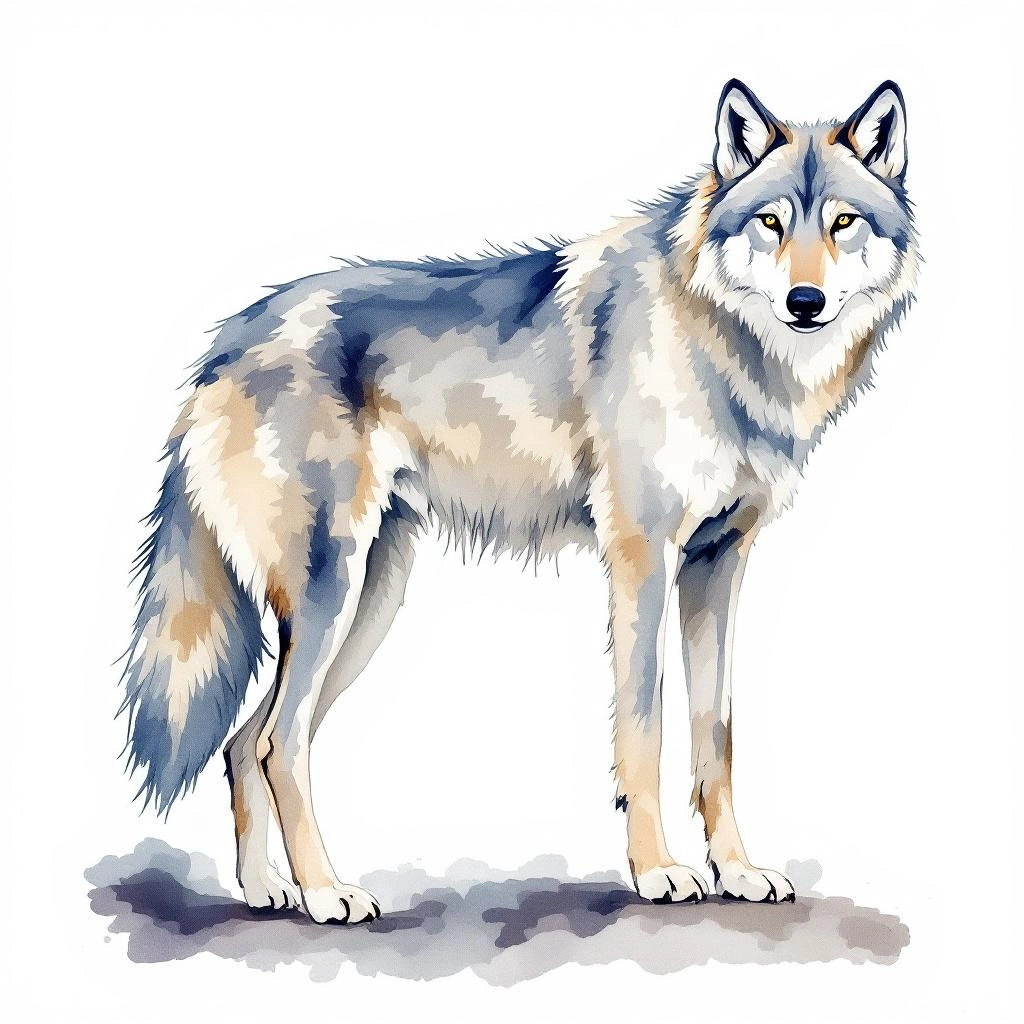
gray wolf
Canis lupus
Embed This Widget
Add the script tag and a data attribute to embed this widget.
<script src="https://cdn.jsdelivr.net/npm/speciesfyi-embed@1/dist/embed.min.js" defer></script>
<div data-speciesfyi="species" data-slug="gray-wolf"></div>Embed via iframe for maximum compatibility.
<iframe src="https://speciesfyi.com/iframe/species/gray-wolf/" width="420" height="400" frameborder="0" style="border:0;border-radius:10px;max-width:100%" loading="lazy"></iframe>Paste this URL in WordPress, Medium, or any oEmbed-compatible platform.
https://speciesfyi.com/species/gray-wolf/Add a dynamic SVG badge to your README or docs.
[](https://speciesfyi.com/species/gray-wolf/)Use the native HTML custom element.
<script src="https://cdn.jsdelivr.net/npm/speciesfyi-embed@1/dist/embed.min.js" defer></script>
<speciesfyi-species slug="gray-wolf"></speciesfyi-species>On this page
About
O lobo-cinzento (Canis lupus), o canídeo selvagem mais amplamente distribuído, ocorre da América do Norte à Eurásia em habitats diversos, incluindo tundra, florestas e pradarias. São animais altamente sociais que vivem em matilhas familiares lideradas por um casal reprodutor dominante. Como predadores-chave, os lobos regulam as populações de presas e moldam profundamente a estrutura do ecossistema, como demonstrou sua reintrodução em Yellowstone. Antes muito perseguidos, as populações estão se recuperando em muitas regiões.
Fun Facts
- ✨ Wolves can run at speeds of up to 65 km/h.
- ✨ A wolf pack is led by an alpha pair.
- ✨ Wolves can hear sounds up to 10 km away.
Habitat & Distribution
Found across multiple habitat types including tropical and subtropical moist broadleaf forests, deserts and xeric shrublands, and tropical and subtropical dry broadleaf forests, among 13 distinct biome types. Populations are also found in montane and highland environments at higher elevations.
Widely distributed across Africa (Seychelles), Asia (Japan), Europe (5 countries), North America (7 countries), Oceania and the Pacific (Marshall Islands, Vanuatu), and South America (5 countries). Currently classified as Critically Endangered on the IUCN Red List, this species faces significant conservation challenges across its range.
Diet & Behavior
Diet
Conservation Status
Full Taxonomy
Names in Other Languages
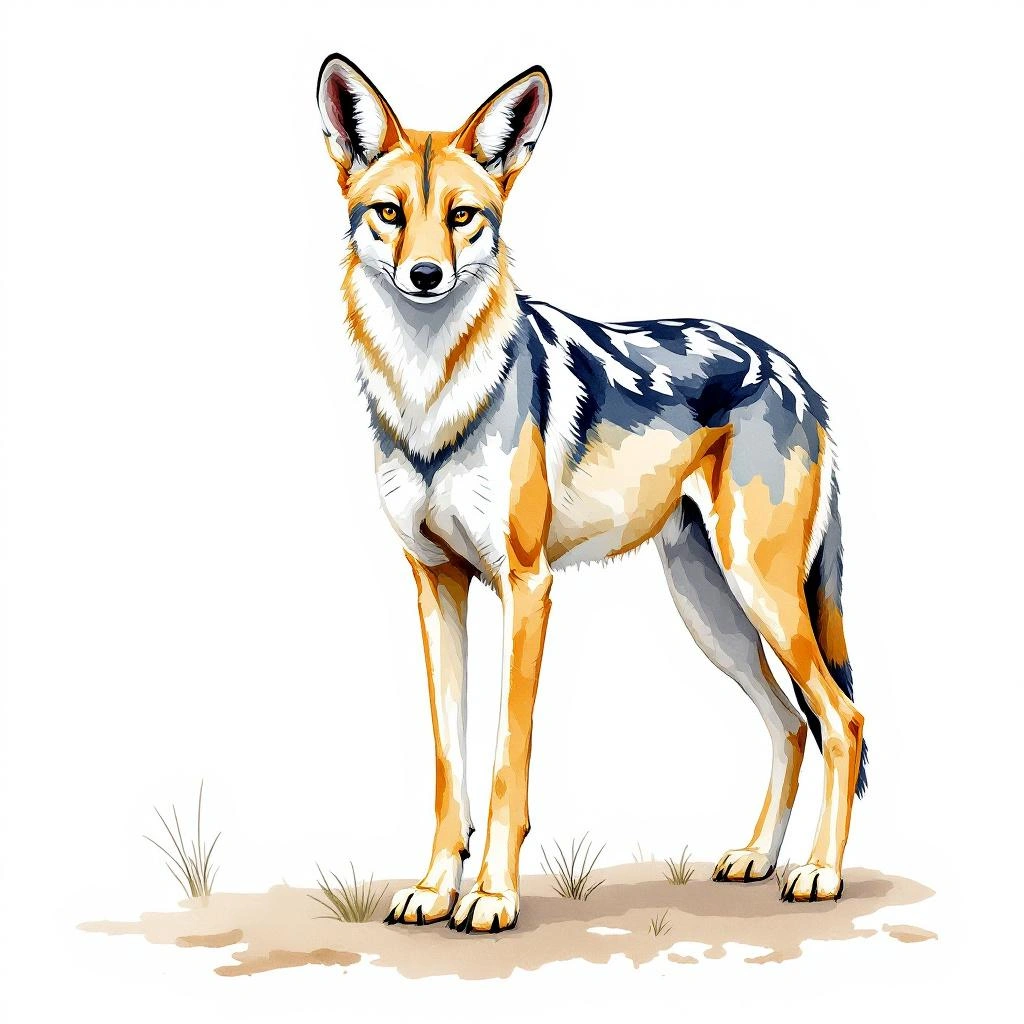
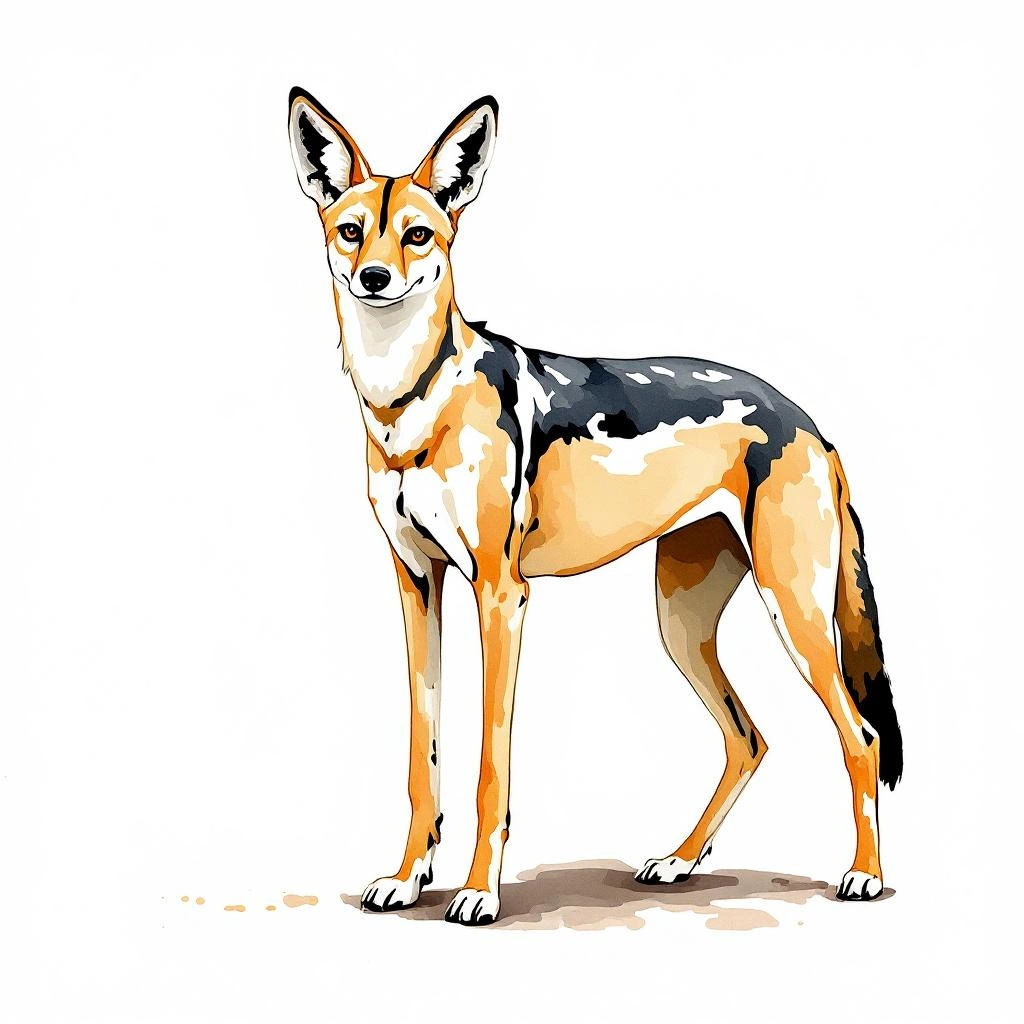
Similar Species in Canis
Explore More
Compare Species
Frequently Asked Questions
What is the scientific name of gray wolf?
What is the conservation status of gray wolf?
Where does gray wolf live?
What family does gray wolf belong to?
What does gray wolf eat?
How long does gray wolf live?
How many gray wolf are left in the wild?
Is gray wolf endangered?
Genus Canis — 6 Species
Nature FYI Family
Explore more of the natural world across our sister sites.
Part of the Nature FYI family — FYIPedia