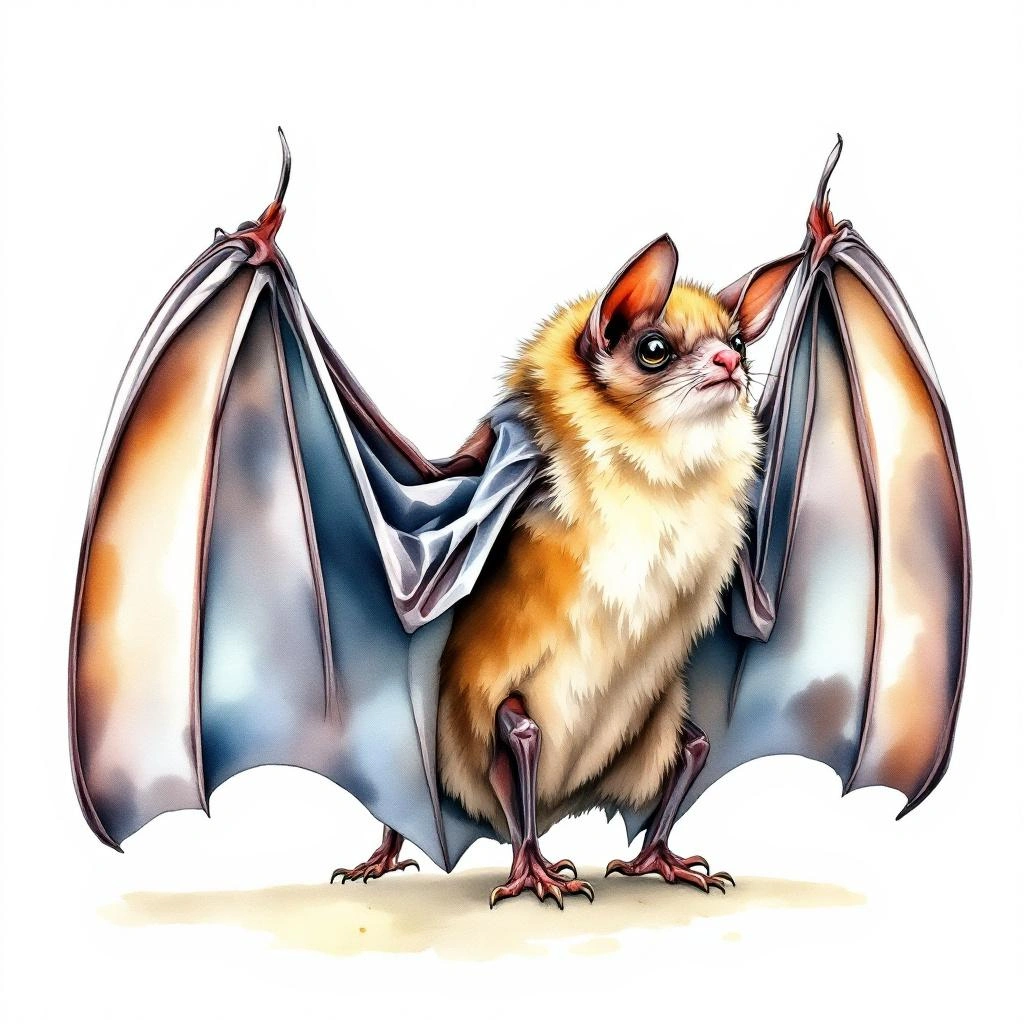
Common Tent-making Bat
Uroderma bilobatum
Embed This Widget
Add the script tag and a data attribute to embed this widget.
<script src="https://cdn.jsdelivr.net/npm/speciesfyi-embed@1/dist/embed.min.js" defer></script>
<div data-speciesfyi="species" data-slug="common-tent-making-bat"></div>Embed via iframe for maximum compatibility.
<iframe src="https://speciesfyi.com/iframe/species/common-tent-making-bat/" width="420" height="400" frameborder="0" style="border:0;border-radius:10px;max-width:100%" loading="lazy"></iframe>Paste this URL in WordPress, Medium, or any oEmbed-compatible platform.
https://speciesfyi.com/species/common-tent-making-bat/Add a dynamic SVG badge to your README or docs.
[](https://speciesfyi.com/species/common-tent-making-bat/)Use the native HTML custom element.
<script src="https://cdn.jsdelivr.net/npm/speciesfyi-embed@1/dist/embed.min.js" defer></script>
<speciesfyi-species slug="common-tent-making-bat"></speciesfyi-species>
On this page
About
<em>Uroderma bilobatum</em>, the tent-making bat, is a leaf-nosed bat in the family Phyllostomidae, distributed across Central America and northern South America, including Colombia, Ecuador, and Venezuela. It is classified as Least Concern on the IUCN Red List due to its wide range and tolerance of secondary and disturbed habitats. This bat is named for its remarkable behavior of biting through the midribs of large palm or Heliconia leaves to cause them to fold into tent-like roosts, which are used for shelter by small colonies. It typically inhabits tropical and subtropical lowland forests, forest edges, and plantations. The diet consists primarily of fruits, particularly figs, making it an important seed disperser in neotropical ecosystems. Roosting groups are typically small, composed of one male and several females. The species uses echolocation for navigation. Biological traits such as precise wing dimensions, body weight, and longevity remain poorly documented in standardized assessments, though adults typically weigh between 13 and 20 grams.
Habitat & Distribution
Typically found in diverse terrestrial and aquatic ecosystems.
Distributed across Colombia, Ecuador, and Venezuela.
Conservation Status
Full Taxonomy
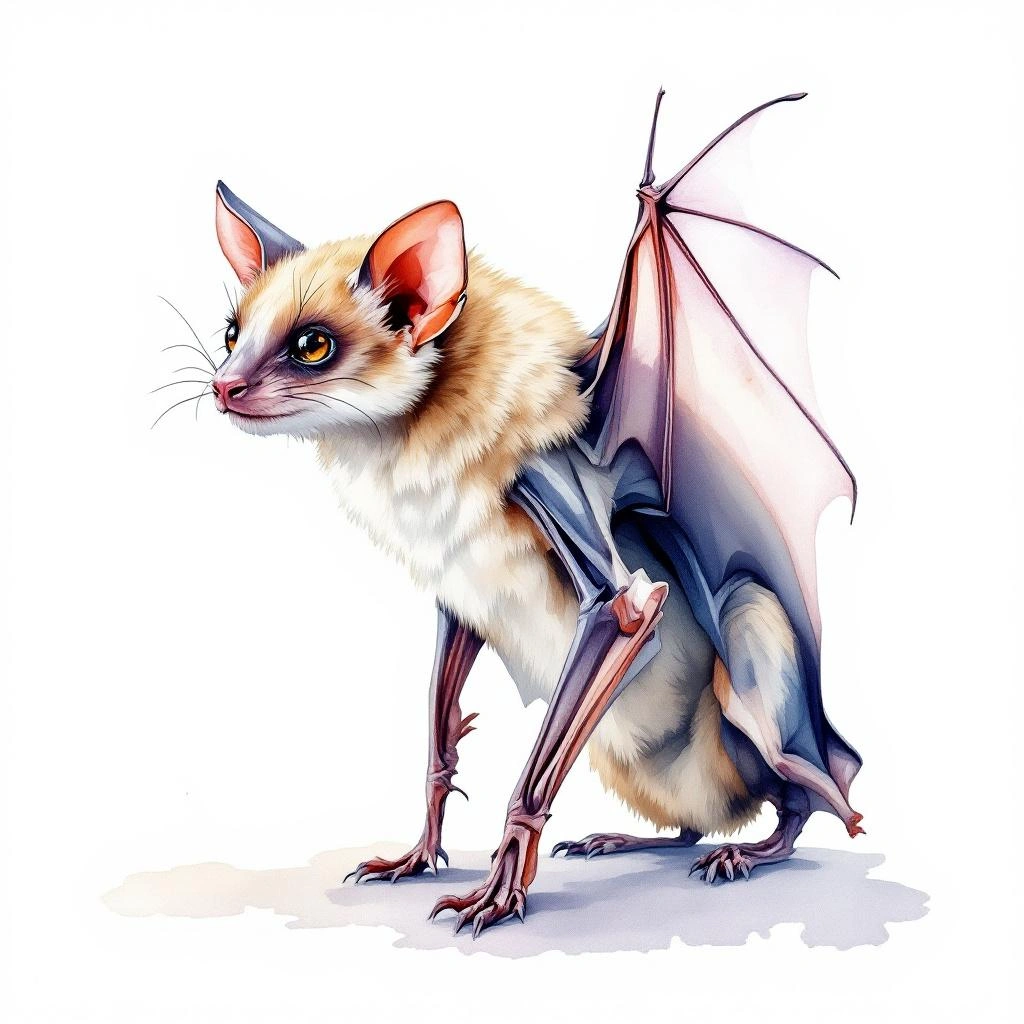
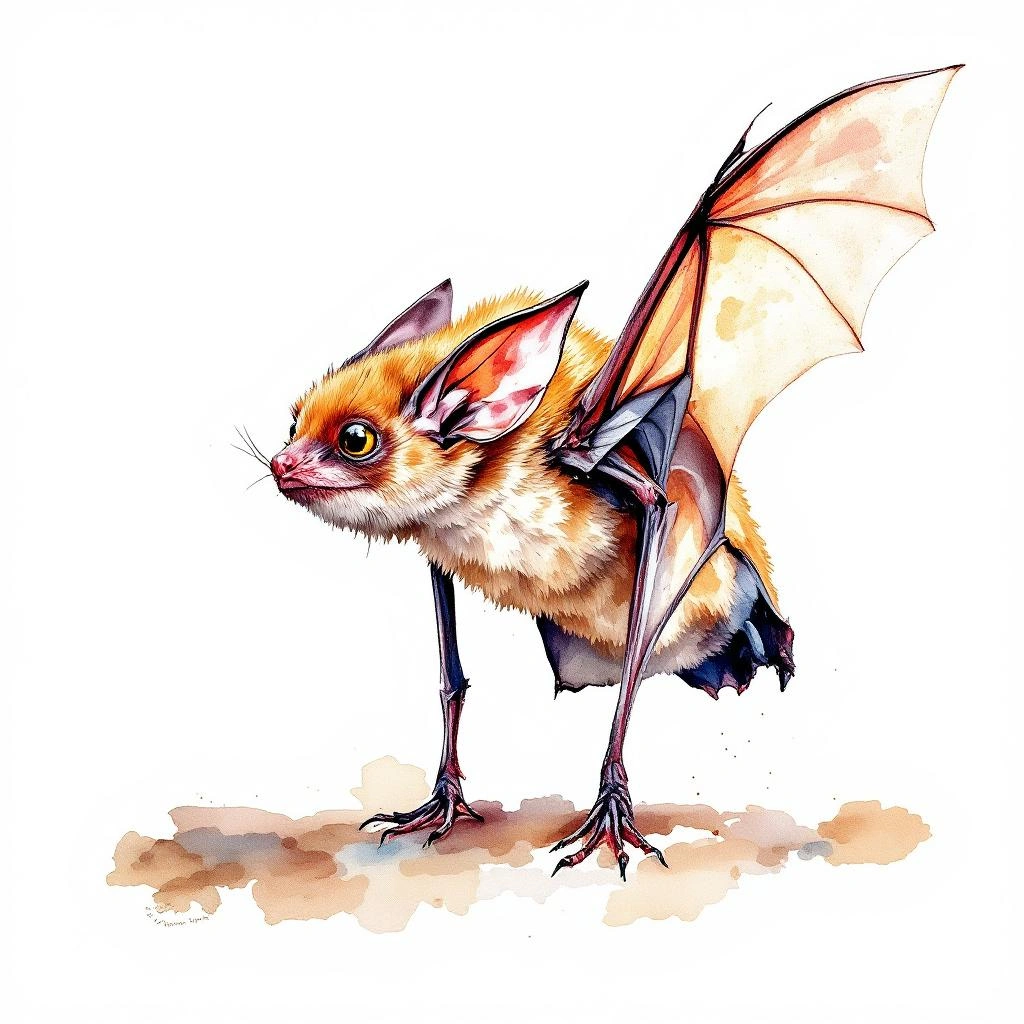
Similar Species in Uroderma
Explore More
Compare Species
Frequently Asked Questions
What is the scientific name of Common Tent-making Bat?
What is the conservation status of Common Tent-making Bat?
Where does Common Tent-making Bat live?
What family does Common Tent-making Bat belong to?
Is Common Tent-making Bat endangered?
What kingdom does Common Tent-making Bat belong to?
What are the closest relatives of Common Tent-making Bat?
Genus Uroderma — 3 Species
Nature FYI Family
Explore more of the natural world across our sister sites.
Part of the Nature FYI family — FYIPedia