🐠
Porcupinefish
Diodon holocanthus
Least Concern
→
Embed This Widget
Add the script tag and a data attribute to embed this widget.
<script src="https://cdn.jsdelivr.net/npm/speciesfyi-embed@1/dist/embed.min.js" defer></script>
<div data-speciesfyi="species" data-slug="porcupinefish"></div>Embed via iframe for maximum compatibility.
<iframe src="https://speciesfyi.com/iframe/species/porcupinefish/" width="420" height="400" frameborder="0" style="border:0;border-radius:10px;max-width:100%" loading="lazy"></iframe>Paste this URL in WordPress, Medium, or any oEmbed-compatible platform.
https://speciesfyi.com/species/porcupinefish/Add a dynamic SVG badge to your README or docs.
[](https://speciesfyi.com/species/porcupinefish/)Use the native HTML custom element.
<script src="https://cdn.jsdelivr.net/npm/speciesfyi-embed@1/dist/embed.min.js" defer></script>
<speciesfyi-species slug="porcupinefish"></speciesfyi-species>
Diet
Omnivore
Lifespan
10 years
Length
30 cm
Weight
500 g
Trend
→ Stable
On this page
About
복어는 물을 삼켜 몸을 부풀리며 방어 기제로 가시를 세울 수 있다.
Fun Facts
- ✨ They are highly poisonous; their internal organs contain tetrodotoxin.
- ✨ Despite the toxin, they are considered a delicacy in some cultures.
Habitat & Distribution
Typically found in a wide range of habitat types.
Distributed across Australia, Bahamas, Japan, and Mexico.
Diet & Behavior
🍽️
Omnivore
Porcupinefish is classified as omnivore, adapted to its ecological niche.
Diet
🍽️
Omnivore
Plant ~60%
Animal ~40%
Conservation Status
LC
Least Concern
Population Trend
→
Stable
Full Taxonomy
Kingdom
Animalia
(동물)
Phylum
Chordata
(척삭동물)
Class
Actinopterygii
(Ray-finned Fish)
Order
Perciformes
(농어목)
Family
Pomacentridae
(Clownfish & Damselfish)
Genus
Amphiprion
(Clownfish)
Species
Diodon holocanthus
(Porcupinefish)
Similar Species in Amphiprion
Explore More
ki…
동물
Kingdom
ph…
척삭동물
Phylum
cl…
Ray-finned Fish
Class
or…
농어목
Order
fa…
Clownfish & Damselfish
Family
ge…
Clownfish
Genus
🐚
Marine Neritic
Habitat
Compare Species
Frequently Asked Questions
What is the scientific name of Porcupinefish?
The scientific name of Porcupinefish is Diodon holocanthus. It belongs to the genus Amphiprion.
What is the conservation status of Porcupinefish?
Porcupinefish (Diodon holocanthus) is classified as Least Concern by the IUCN Red List. The population trend is stable.
Where does Porcupinefish live?
Porcupinefish is found in Distributed across Australia, Bahamas, Japan, and Mexico.. Countries include Australia, Bahamas, Japan, Mexico.
What family does Porcupinefish belong to?
Porcupinefish (Diodon holocanthus) belongs to the genus Amphiprion, which is part of the taxonomic family Pomacentridae.
What does Porcupinefish eat?
Porcupinefish is omnivore. Its diet is adapted to its natural habitat and ecological niche.
How long does Porcupinefish live?
Porcupinefish has an average lifespan of approximately 10 years in the wild.
Is Porcupinefish endangered?
No, Porcupinefish (Diodon holocanthus) is classified as Least Concern on the IUCN Red List, meaning it is not currently at significant risk of extinction.
What kingdom does Porcupinefish belong to?
Porcupinefish (Diodon holocanthus) belongs to the kingdom Animalia (동물).
Genus Amphiprion — 3 Species
🐠
LC
VU
Clownfish
Amphiprion ocellaris
🐠
LC
🐠
Porcupinefish
Diodon holocanthus
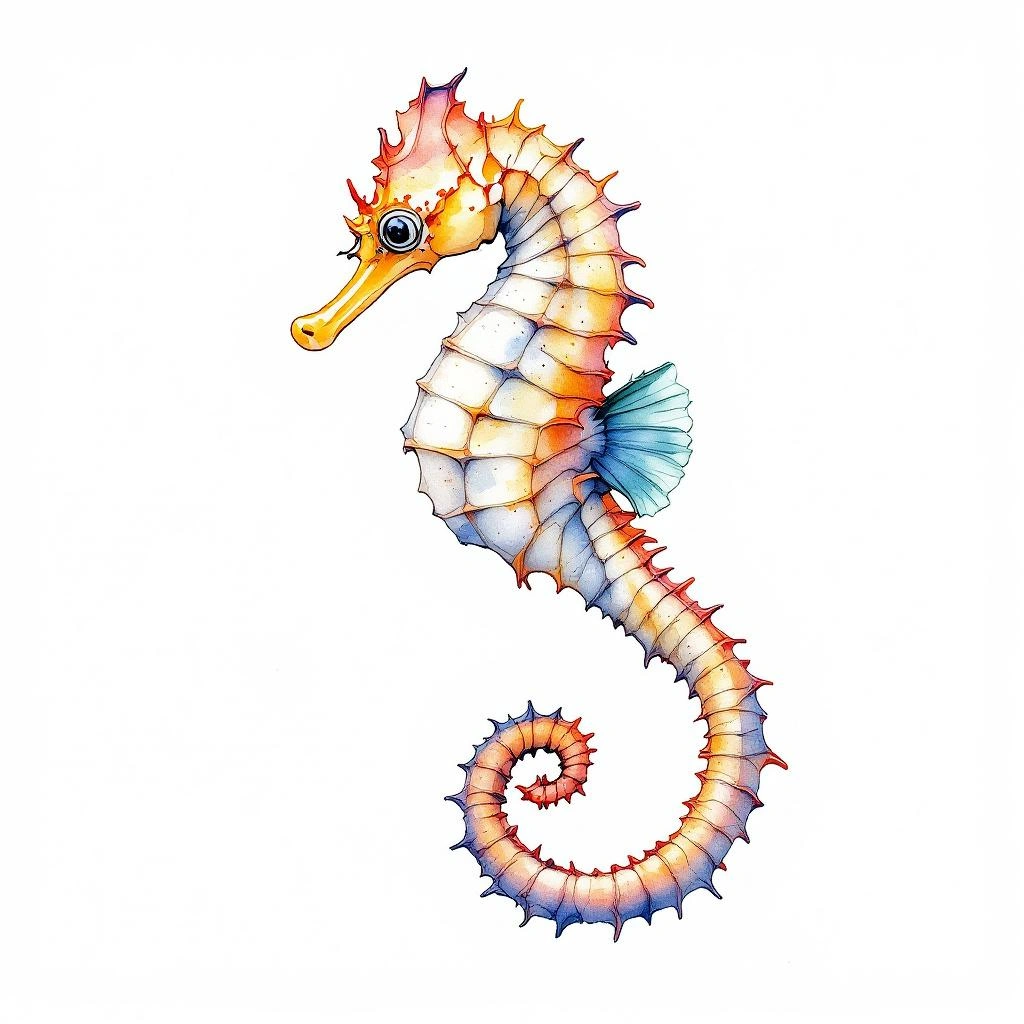
Common Seahorse
Hippocampus kuda
Nature FYI Family
Explore more of the natural world across our sister sites.
🐦
🐟
🦕
🌿
BirdFYI
11,000+ Bird Species
FishFYI
Fish & Marine Life
DinoFYI
6,000+ Dinosaurs
PlantFYI
379,000+ Plants
Part of the Nature FYI family — FYIPedia