Orinoco wetlands
The Orinoco wetlands is a flooded grasslands and savannas ecoregion located in the Neotropic biogeographic realm, covering Central and South America, the Caribbean, and southern portions of Mexico, spanning approximately 5,988.4 km². Classified under the WWF ecoregion code NT0906, this region represents a distinct ecological community shaped by its unique combination of climate, geography, and evolutionary history.
Climate and Vegetation
This ecoregion experiences seasonal flooding with waterlogged soils for significant portions of the year. The dominant vegetation consists of grasses and sedges adapted to periodic inundation. These conditions create the foundation for the ecological communities found within the Orinoco wetlands.
Ecological Significance
These wetland ecosystems are critical for waterbirds, fish, and amphibians, serving as nursery habitats and seasonal migration stopover points. The Orinoco wetlands contributes to the broader biodiversity patterns of the Neotropic realm.
Geographic Distribution
The Orinoco wetlands extends entirely within Venezuela. This geographic range places it within the Neotropic realm, one of the eight major biogeographic divisions of the world.
Notable Species
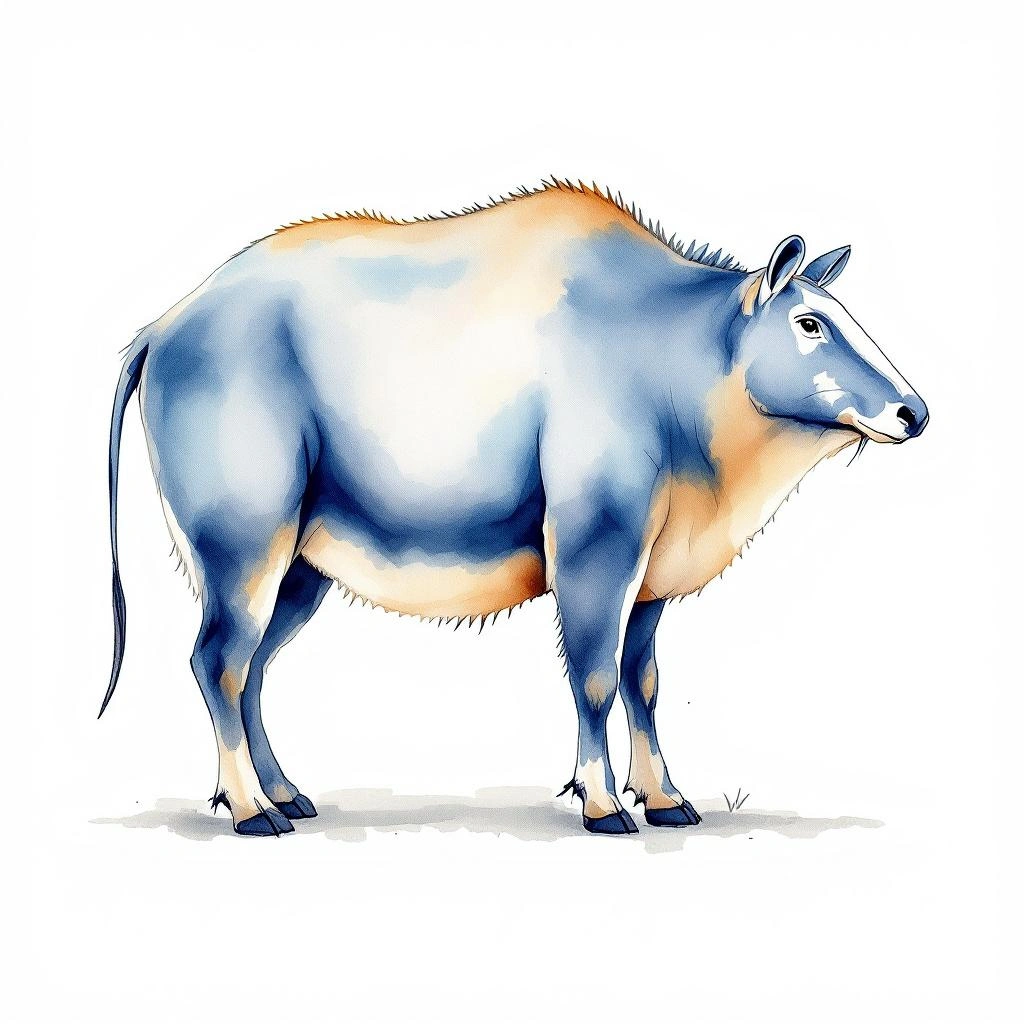
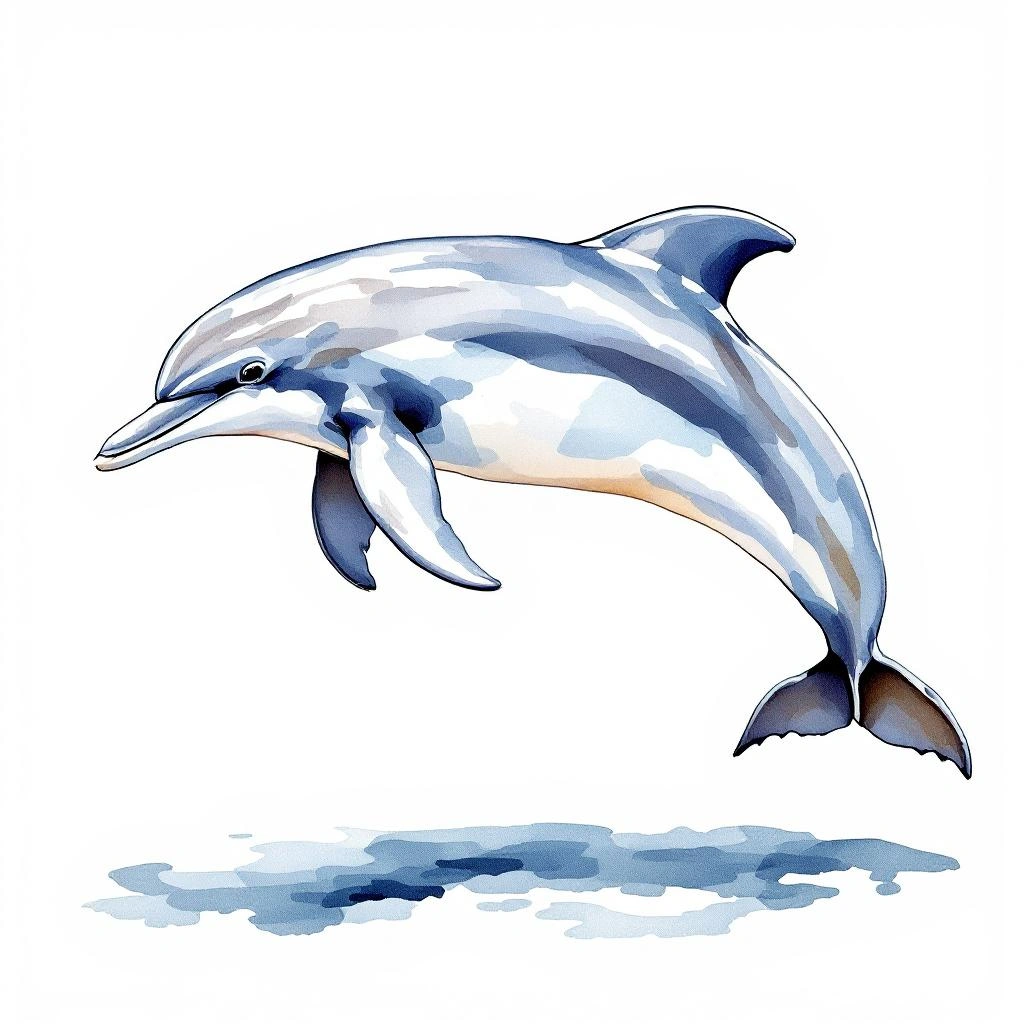
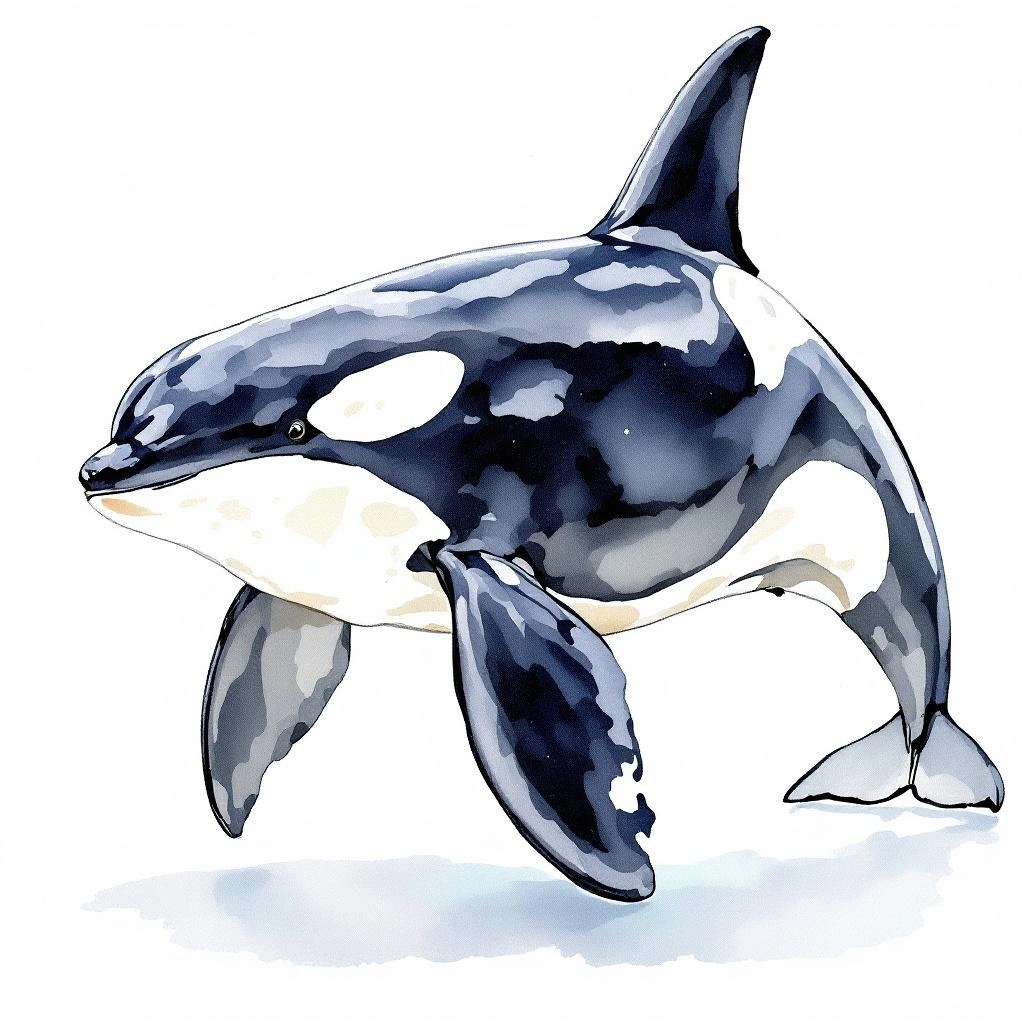
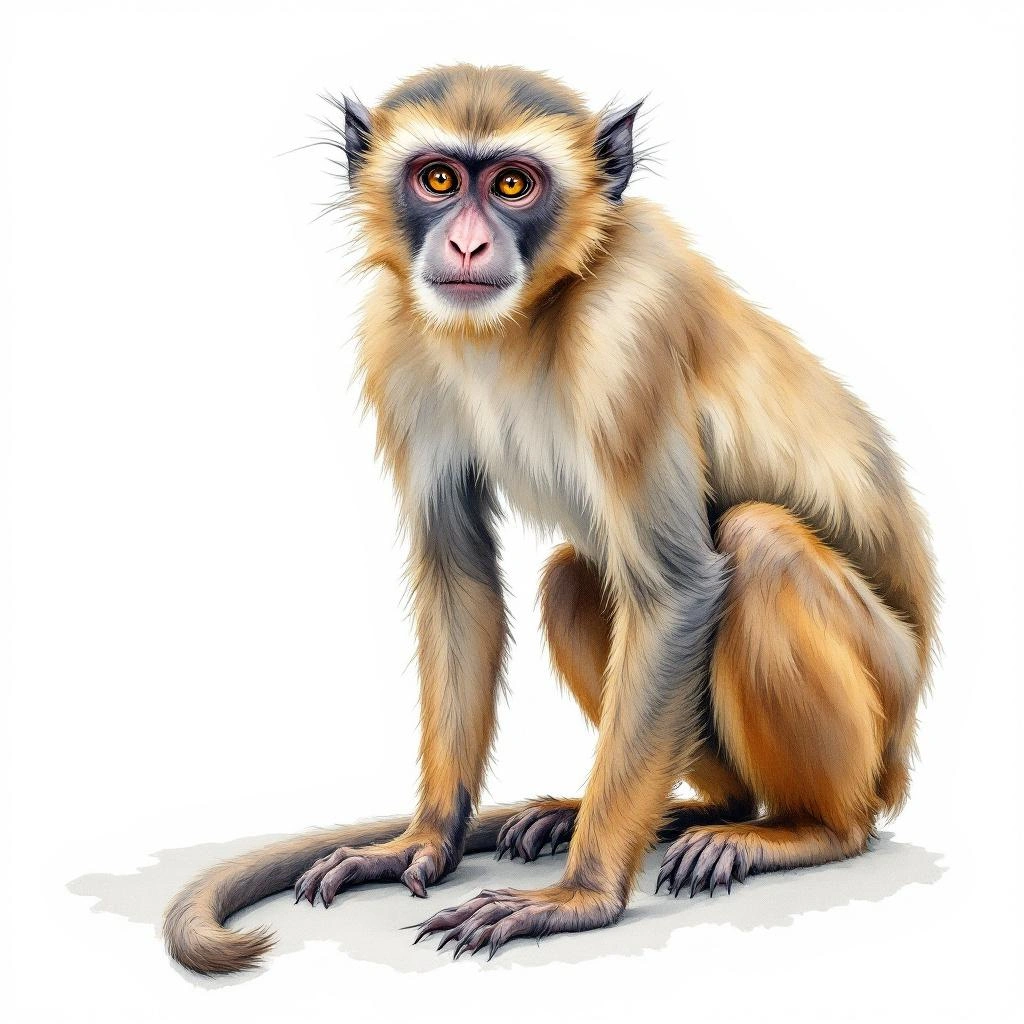
The Orinoco wetlands supports a range of wildlife, including Aragua Poison Frog (Mannophryne neblina), Aragua Robber Frog (Pristimantis anotis), Arp's Rocket Frog (Aromobates walterarpi), Bonnet (Sphyrna tudes), Bronze hammerhead shark (Sphyrna lewini), Brown Spider Monkey (Ateles hybridus), Buckelwal (Megaptera novaeangliae), Caribbean Nurse Frog (Allobates caribe), and 42 more species. Among these, 18 species are classified as threatened on the IUCN Red List, underscoring the conservation importance of this ecoregion.
Conservation
Like many flooded grasslands and savannas ecosystems, the Orinoco wetlands faces threats from dam construction, drainage for agriculture, water diversion, and pollution. Conservation efforts in this ecoregion focus on habitat preservation, sustainable land management, and protecting corridors that connect fragmented habitat patches.
Countries 1
Species in this Ecoregion 50