Amur meadow steppe
The Amur meadow steppe is a flooded grasslands and savannas ecoregion located in the Palearctic biogeographic realm, covering Europe, northern Asia, North Africa, and the northern Middle East, spanning approximately 123,621 km². Classified under the WWF ecoregion code PA0901, this region represents a distinct ecological community shaped by its unique combination of climate, geography, and evolutionary history.
Climate and Vegetation
This ecoregion experiences seasonal flooding with waterlogged soils for significant portions of the year. The dominant vegetation consists of grasses and sedges adapted to periodic inundation. These conditions create the foundation for the ecological communities found within the Amur meadow steppe.
Ecological Significance
These wetland ecosystems are critical for waterbirds, fish, and amphibians, serving as nursery habitats and seasonal migration stopover points. The Amur meadow steppe contributes to the broader biodiversity patterns of the Palearctic realm.
Geographic Distribution
The Amur meadow steppe extends across China and Russia. This geographic range places it within the Palearctic realm, one of the eight major biogeographic divisions of the world.
Notable Species
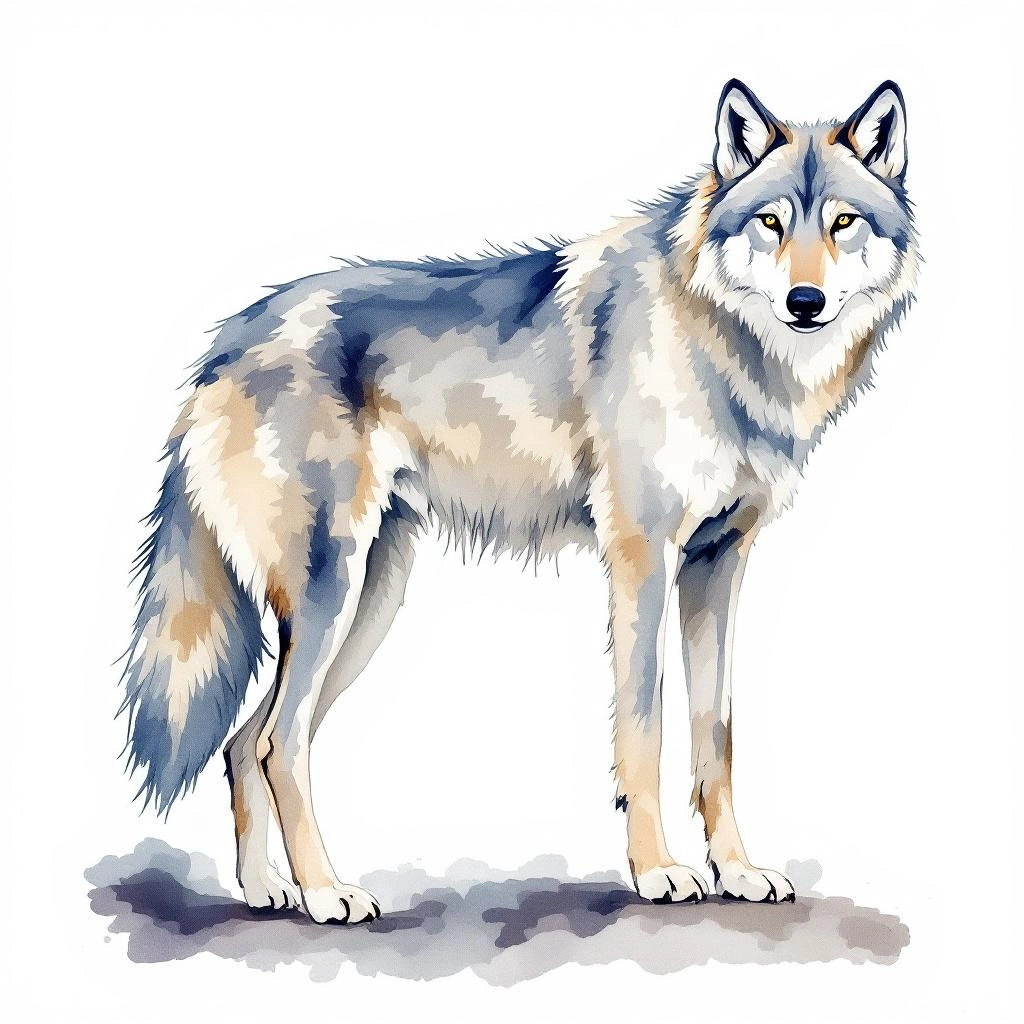
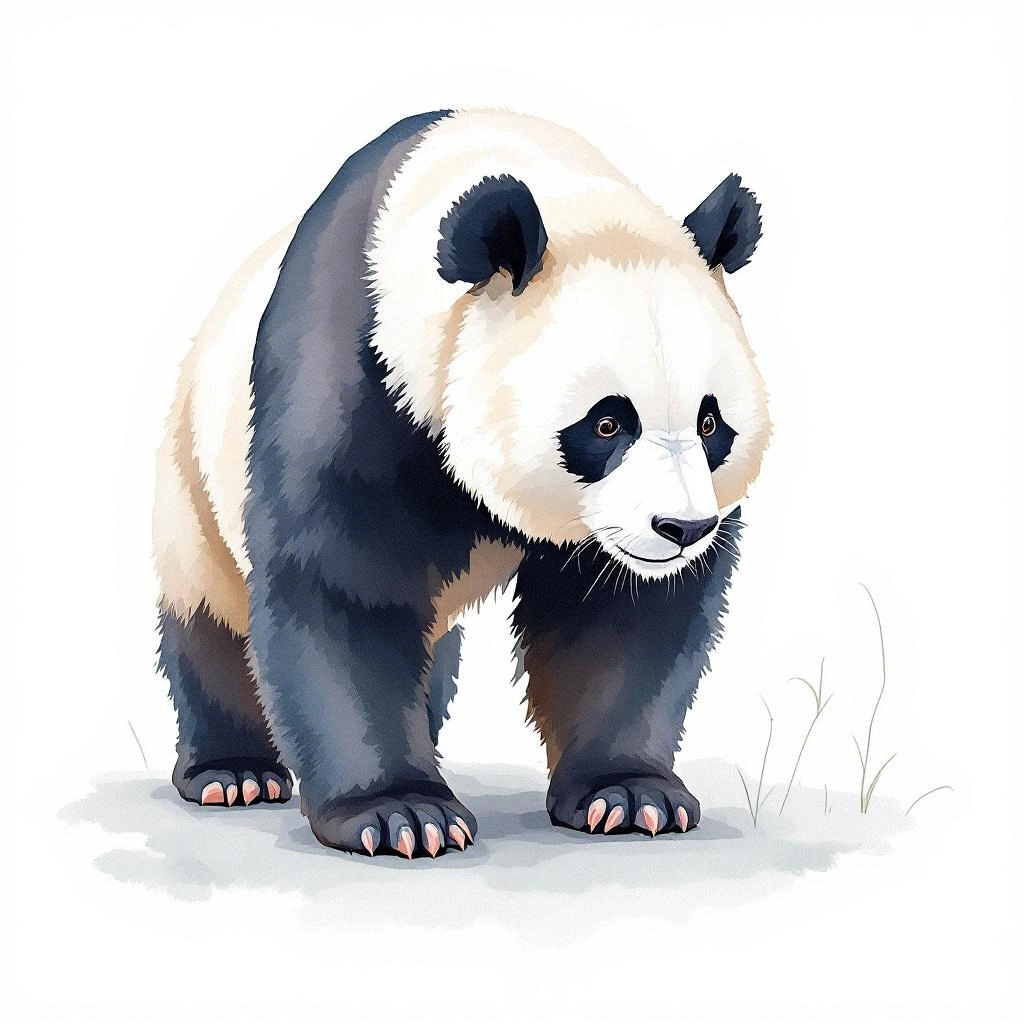
The Amur meadow steppe supports a range of wildlife, including Arctic Warbler (Phylloscopus borealis), Ball Mustard (Neslia paniculata), Bamboo bear (Ailuropoda melanoleuca), Bastard Alkanet (Buglossoides arvensis), bicoloured white-toothed shrew, bicoloured shrew (Crocidura leucodon), Big-Leaf Linden (Tilia platyphyllos), Black Henbane (Hyoscyamus niger), Black-Necked Grebe (Podiceps nigricollis), and 42 more species. Among these, 20 species are classified as threatened on the IUCN Red List, underscoring the conservation importance of this ecoregion.
Conservation
Like many flooded grasslands and savannas ecosystems, the Amur meadow steppe faces threats from dam construction, drainage for agriculture, water diversion, and pollution. Conservation efforts in this ecoregion focus on habitat preservation, sustainable land management, and protecting corridors that connect fragmented habitat patches.
Countries 2
Species in this Ecoregion 50