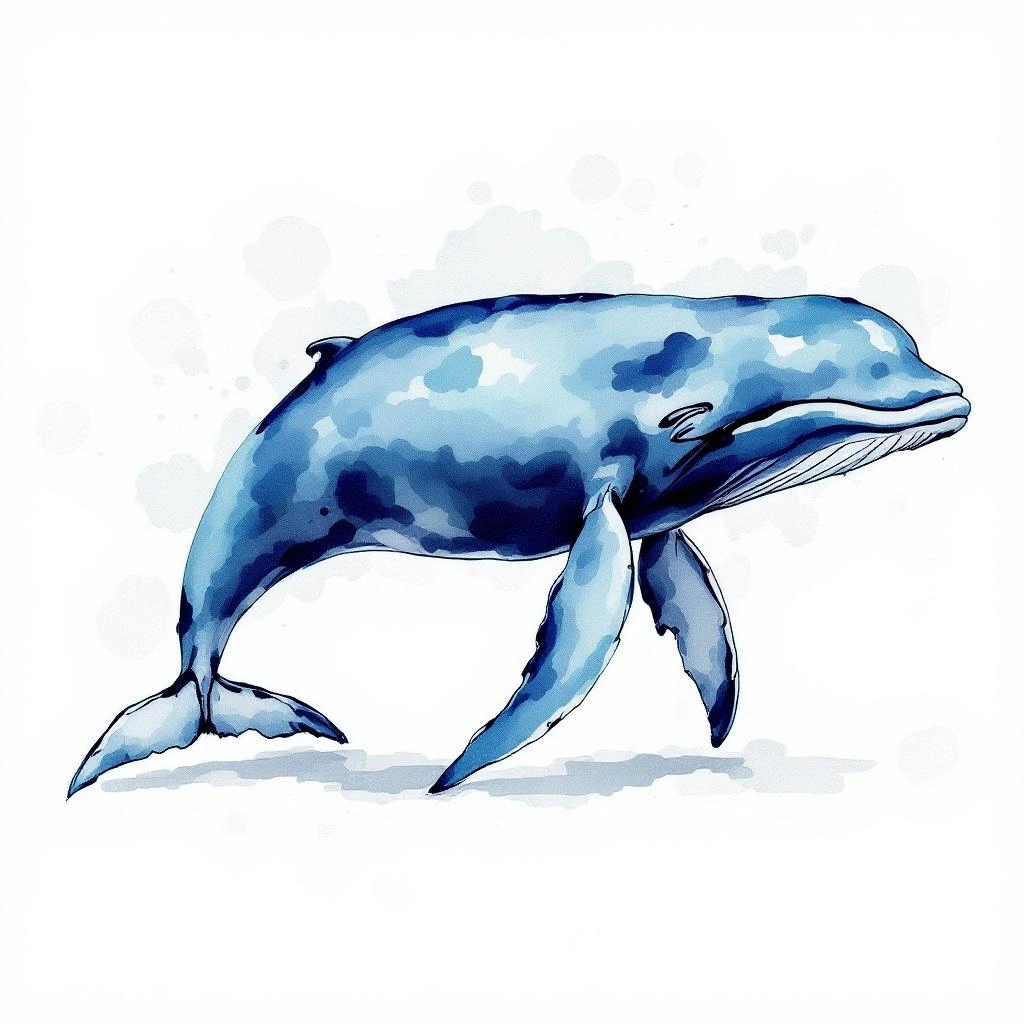
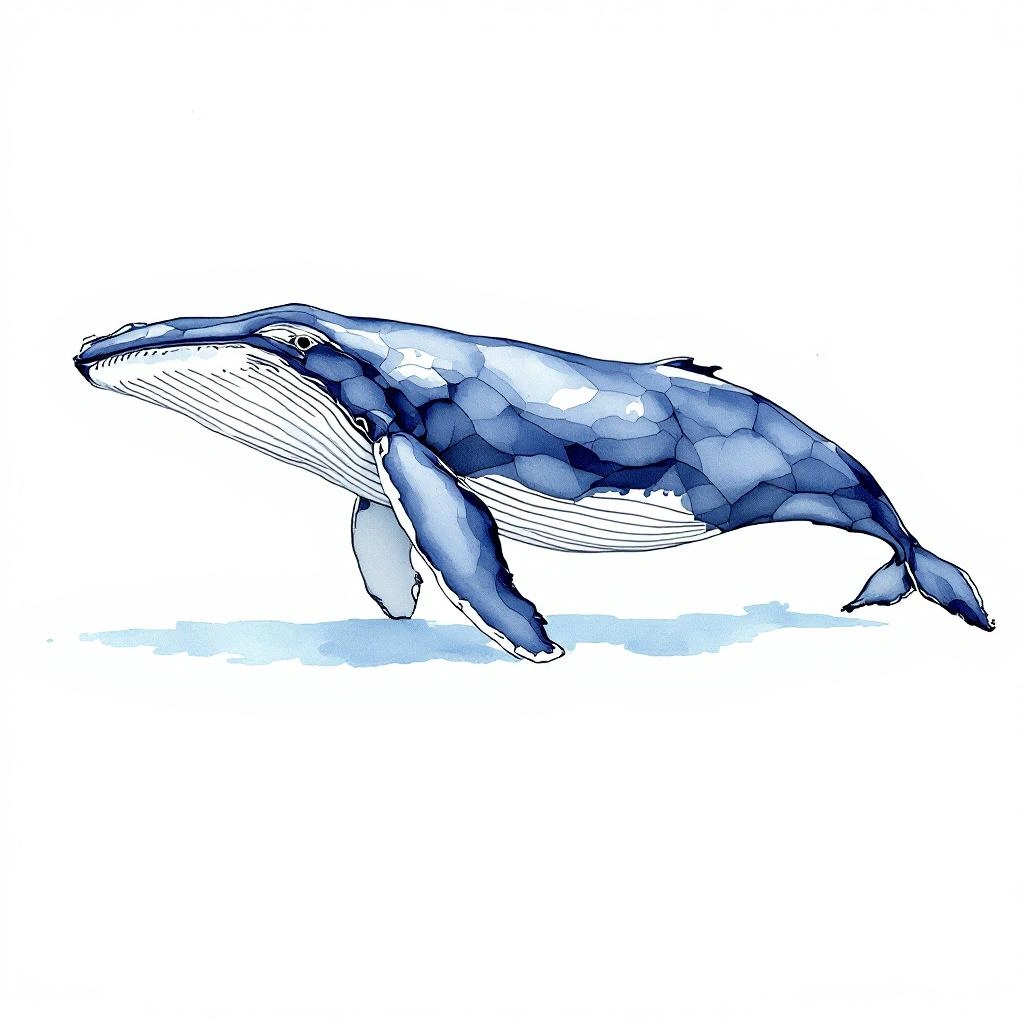
ミンククジラ (Bagwhale)
Balaenoptera acutorostrata
Embed This Widget
Add the script tag and a data attribute to embed this widget.
<script src="https://cdn.jsdelivr.net/npm/speciesfyi-embed@1/dist/embed.min.js" defer></script>
<div data-speciesfyi="species" data-slug="bagwhale"></div>Embed via iframe for maximum compatibility.
<iframe src="https://speciesfyi.com/iframe/species/bagwhale/" width="420" height="400" frameborder="0" style="border:0;border-radius:10px;max-width:100%" loading="lazy"></iframe>Paste this URL in WordPress, Medium, or any oEmbed-compatible platform.
https://speciesfyi.com/species/bagwhale/Add a dynamic SVG badge to your README or docs.
[](https://speciesfyi.com/species/bagwhale/)Use the native HTML custom element.
<script src="https://cdn.jsdelivr.net/npm/speciesfyi-embed@1/dist/embed.min.js" defer></script>
<speciesfyi-species slug="bagwhale"></speciesfyi-species>
On this page
About
コイワシクジラ(Balaenoptera acutorostrata)は世界中の冷温帯〜熱帯海域に広く分布する小型のミンク鯨類で、体長8〜10メートルほどに成長する。IUCNレッドリストでは軽度懸念(LC)に分類されており、ヒゲ鯨類の中では比較的個体数が多く、沿岸域〜外洋まで幅広く生息する。好奇心旺盛で船舶に近づく行動が観察されることが多く、北西太平洋のいくつかの個体群では捕鯨の継続的な対象となっている。
Habitat & Distribution
Typically found in diverse terrestrial and aquatic ecosystems.
Widely distributed across Asia (Taiwan), Europe (5 countries), and South America (Colombia, Ecuador).
Conservation Status
Full Taxonomy
Names in Other Languages
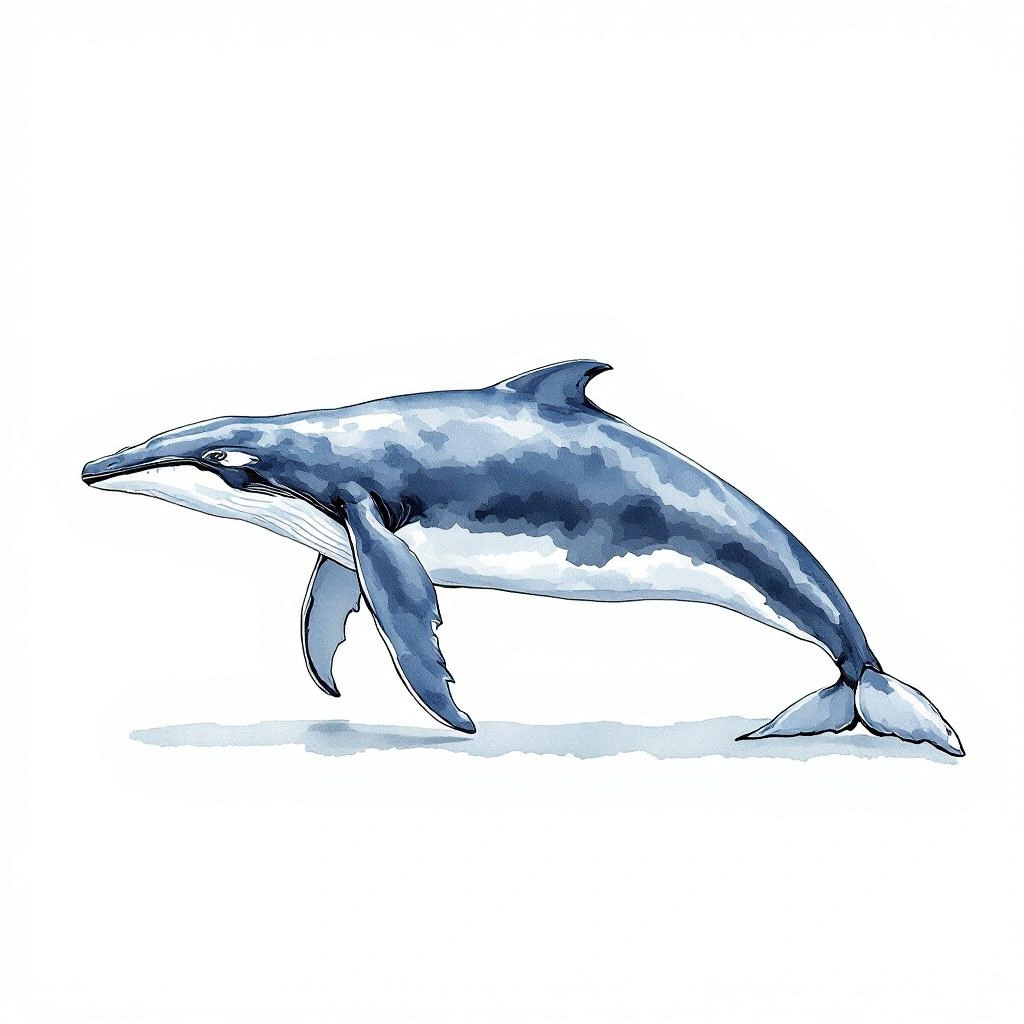
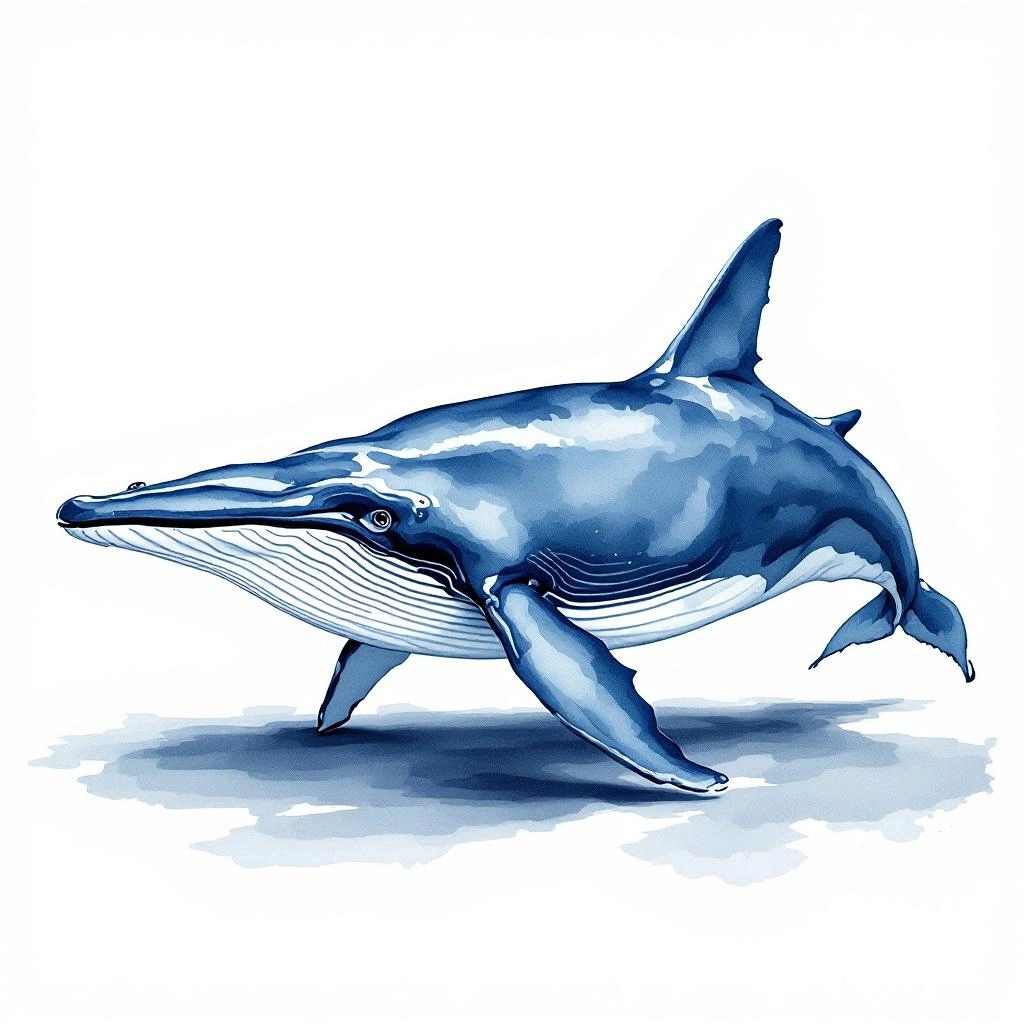
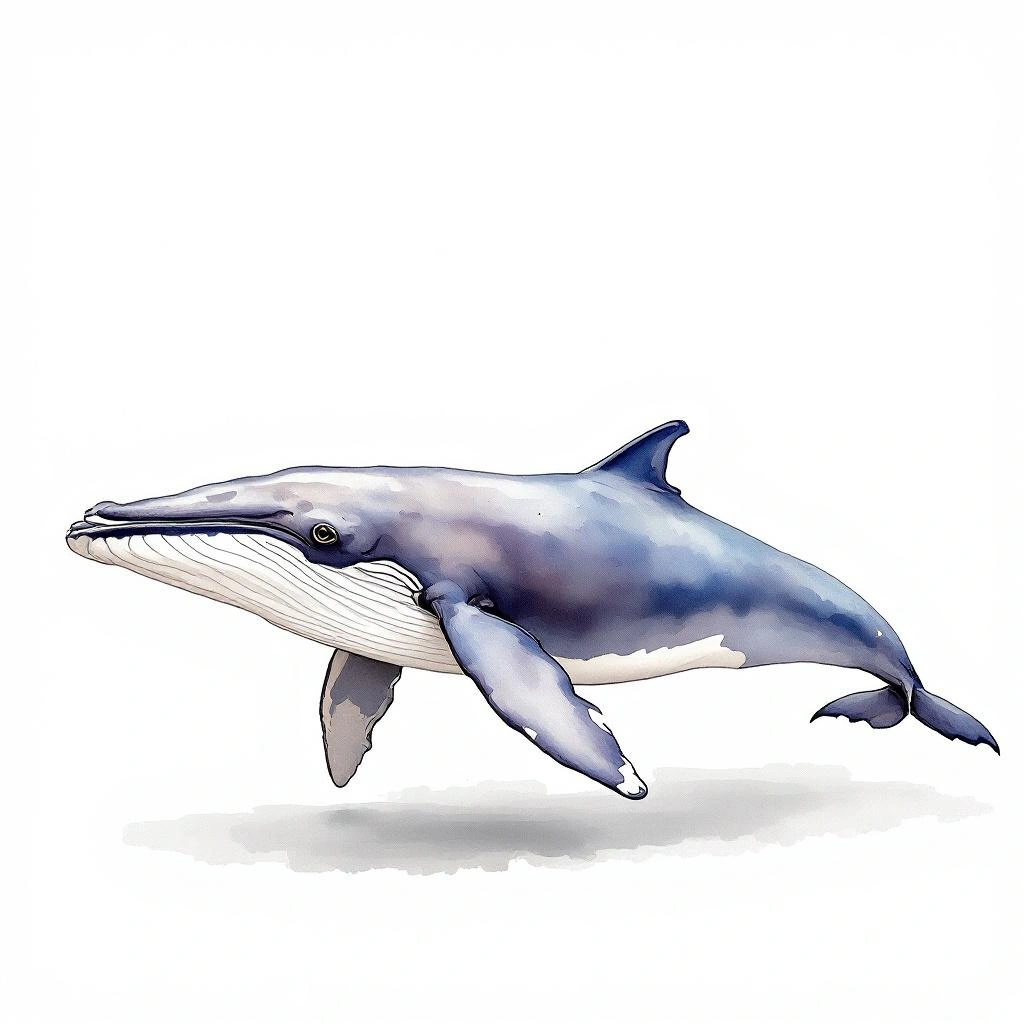
Similar Species in Balaenoptera

Explore More
Frequently Asked Questions
What is the scientific name of ミンククジラ?
What is the conservation status of ミンククジラ?
Where does ミンククジラ live?
What family does ミンククジラ belong to?
Is ミンククジラ endangered?
What kingdom does ミンククジラ belong to?
What are the closest relatives of ミンククジラ?
Genus Balaenoptera — 7 Species
Nature FYI Family
Explore more of the natural world across our sister sites.
Part of the Nature FYI family — FYIPedia