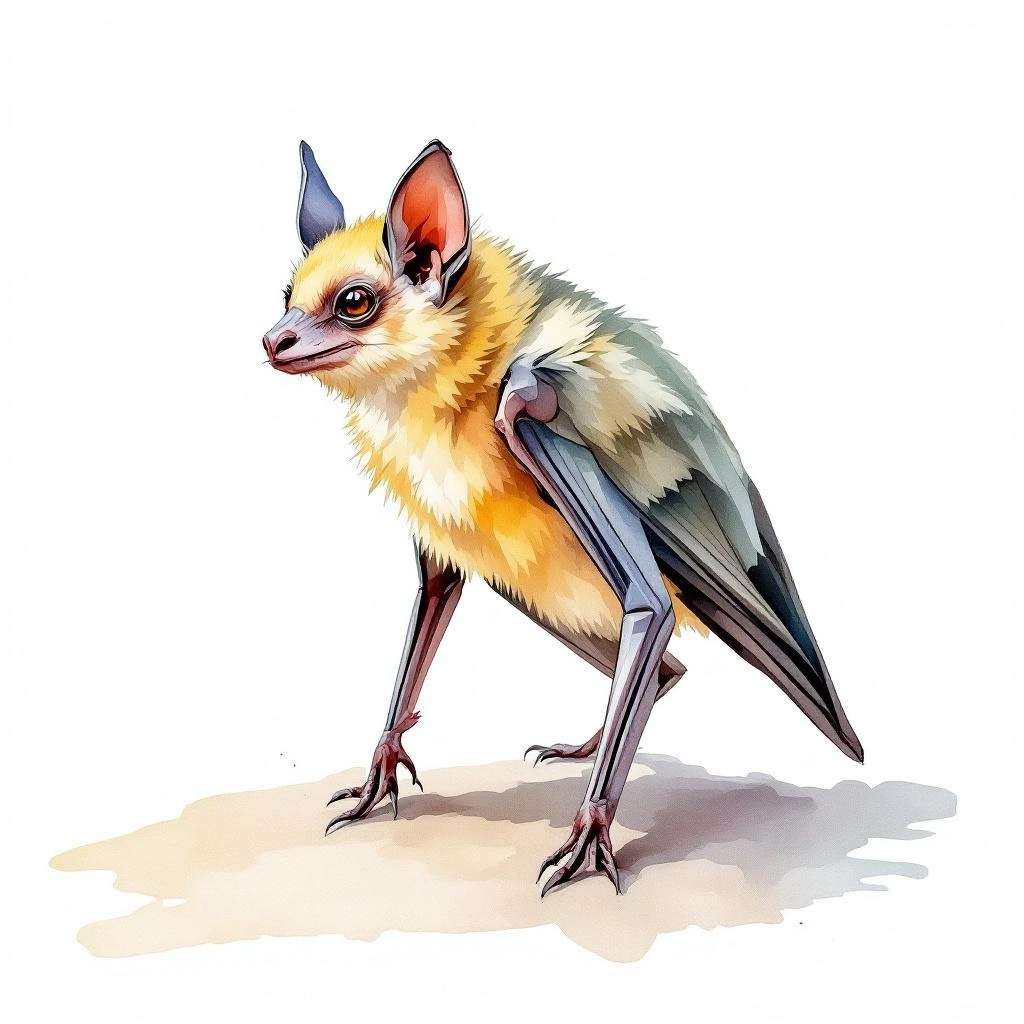
Andersen's Fruit-eating Bat
Artibeus anderseni
Least Concern
Embed This Widget
Add the script tag and a data attribute to embed this widget.
<script src="https://cdn.jsdelivr.net/npm/speciesfyi-embed@1/dist/embed.min.js" defer></script>
<div data-speciesfyi="species" data-slug="andersens-fruit-eating-bat"></div>Embed via iframe for maximum compatibility.
<iframe src="https://speciesfyi.com/iframe/species/andersens-fruit-eating-bat/" width="420" height="400" frameborder="0" style="border:0;border-radius:10px;max-width:100%" loading="lazy"></iframe>Paste this URL in WordPress, Medium, or any oEmbed-compatible platform.
https://speciesfyi.com/species/andersens-fruit-eating-bat/Add a dynamic SVG badge to your README or docs.
[](https://speciesfyi.com/species/andersens-fruit-eating-bat/)Use the native HTML custom element.
<script src="https://cdn.jsdelivr.net/npm/speciesfyi-embed@1/dist/embed.min.js" defer></script>
<speciesfyi-species slug="andersens-fruit-eating-bat"></speciesfyi-species>
On this page
About
The Andersen's Fruit-eating Bat (Artibeus anderseni) is a species in the genus Artibeus. It is currently classified as Least Concern on the IUCN Red List. Typically found in diverse terrestrial and aquatic ecosystems.
Habitat & Distribution
Typically found in diverse terrestrial and aquatic ecosystems.
Distributed across Colombia and Ecuador.
Conservation Status
LC
Least Concern
Full Taxonomy
Kingdom
Animalia
(Animals)
Phylum
Chordata
(cordados)
Class
Mammalia
(mamíferos)
Order
Chiroptera
(Bats)
Family
Phyllostomidae
Genus
Artibeus
Species
Artibeus anderseni
(Andersen's Fruit-eating Bat)
Similar Species in Artibeus
Murciélago-frutero de Jamaica
Artibeus jamaicensis
Least Concern
Great Fruit-eating Bat
Artibeus lituratus
Least Concern
Large Fruit-eating Bat
Artibeus amplus
Least Concern
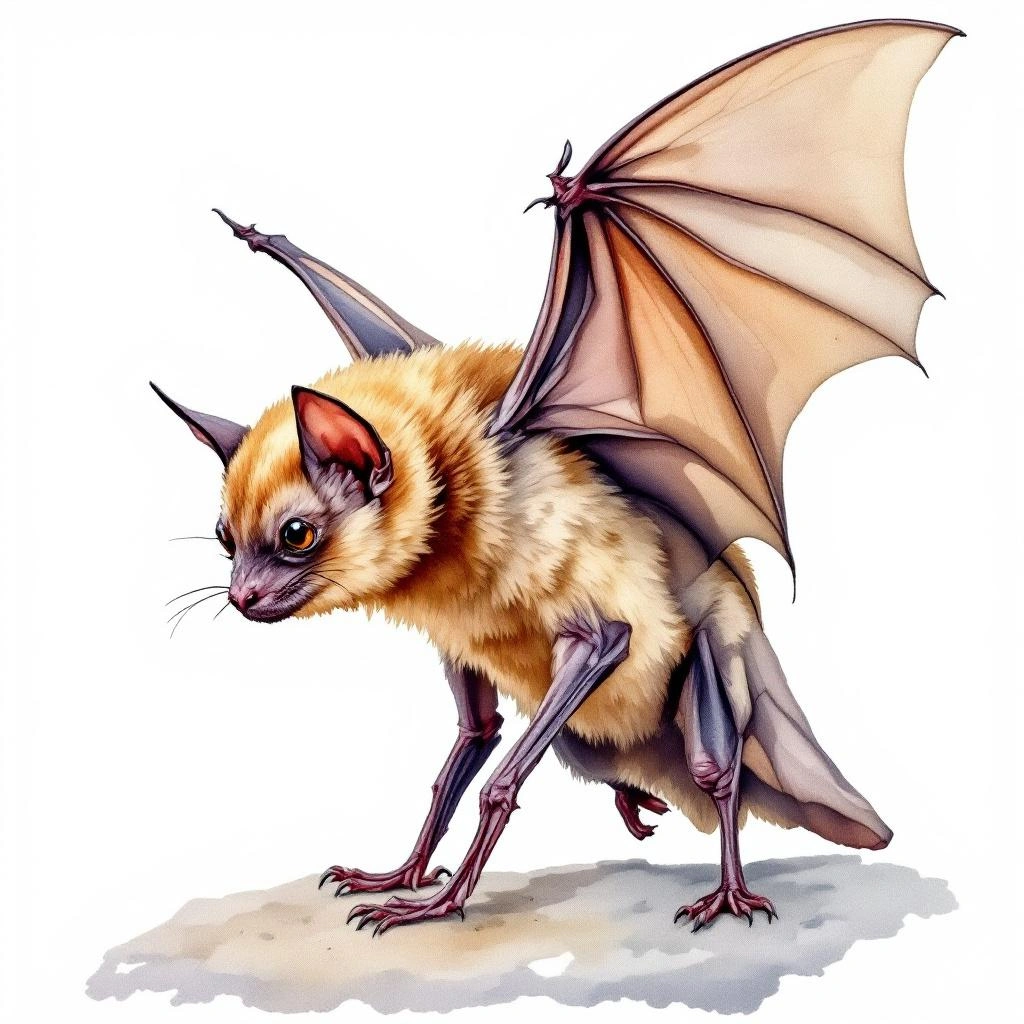
Brown Fruit-eating Bat
Artibeus concolor
Least Concern
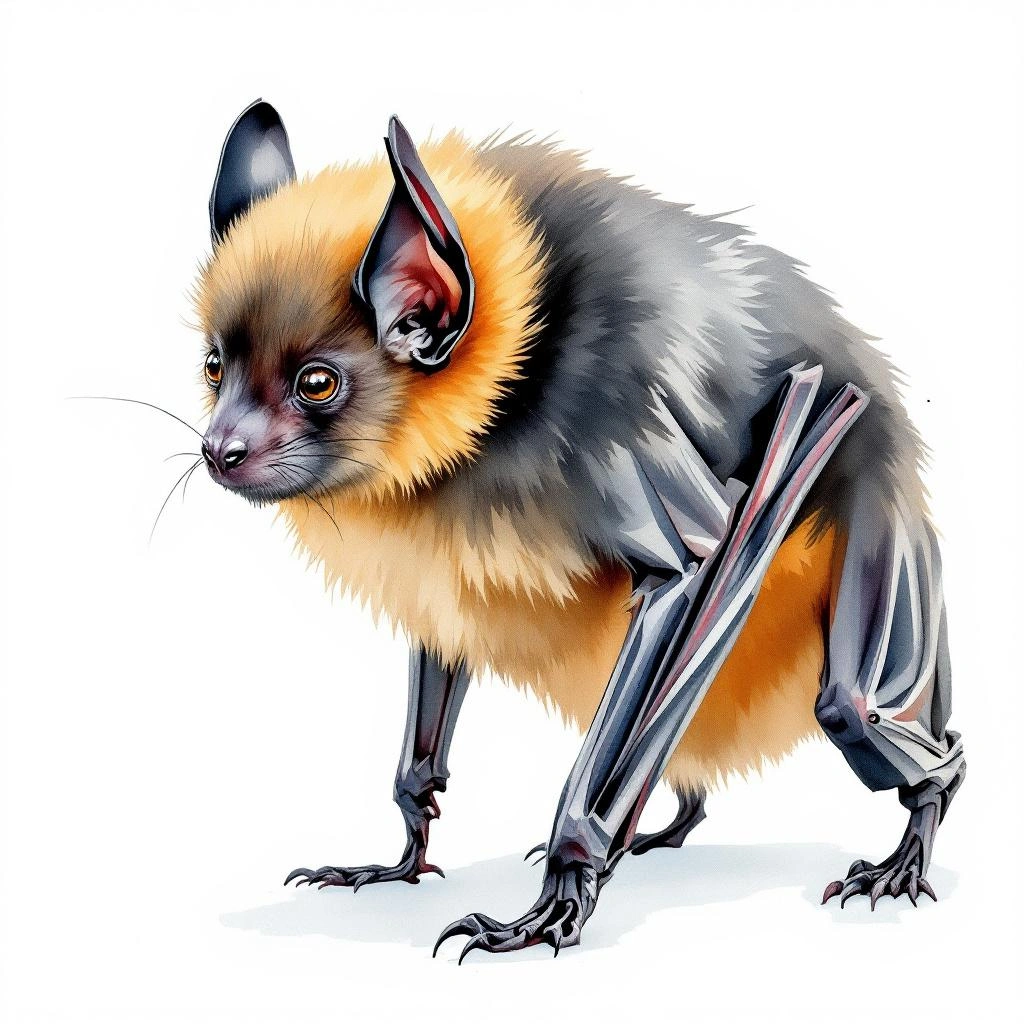
Hairy Fruit-eating Bat
Artibeus hirsutus
Least Concern
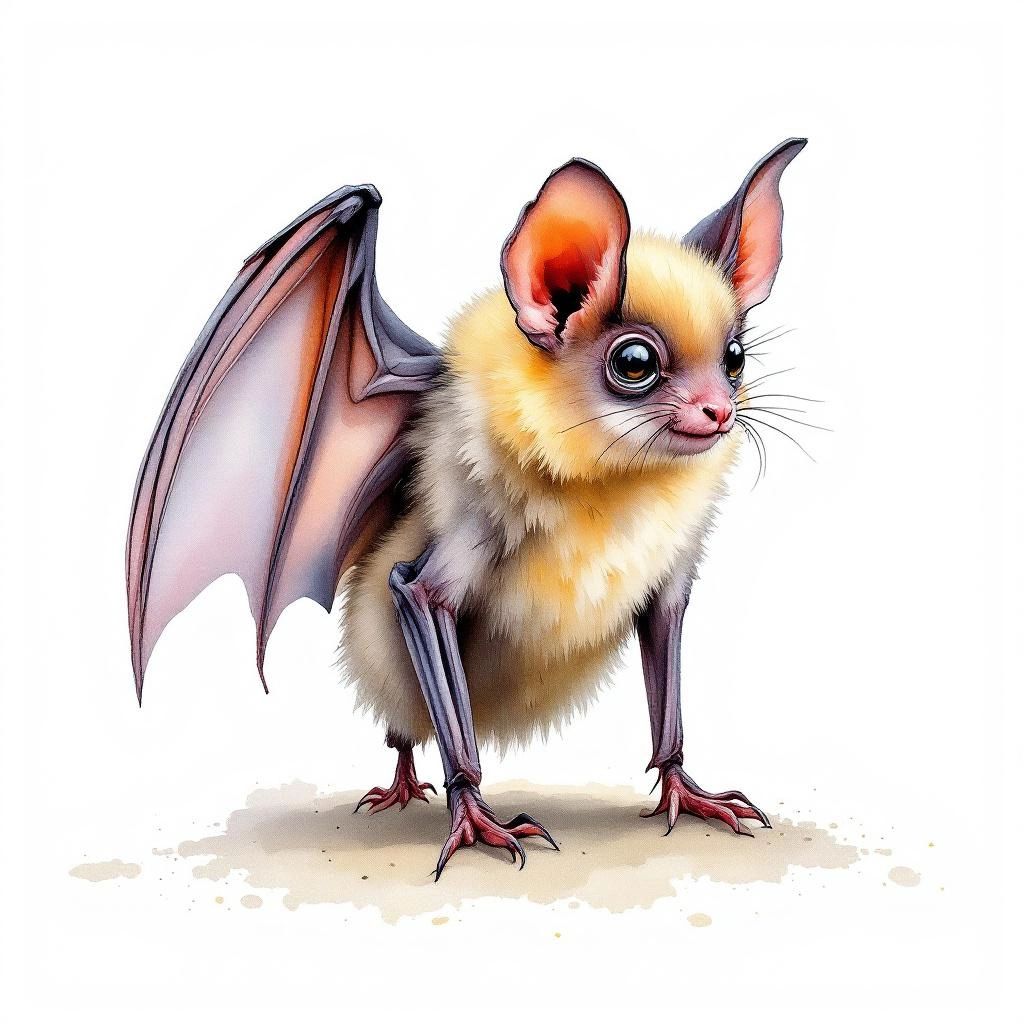
Dwarf Fruit-eating Bat
Artibeus gnomus
Least Concern
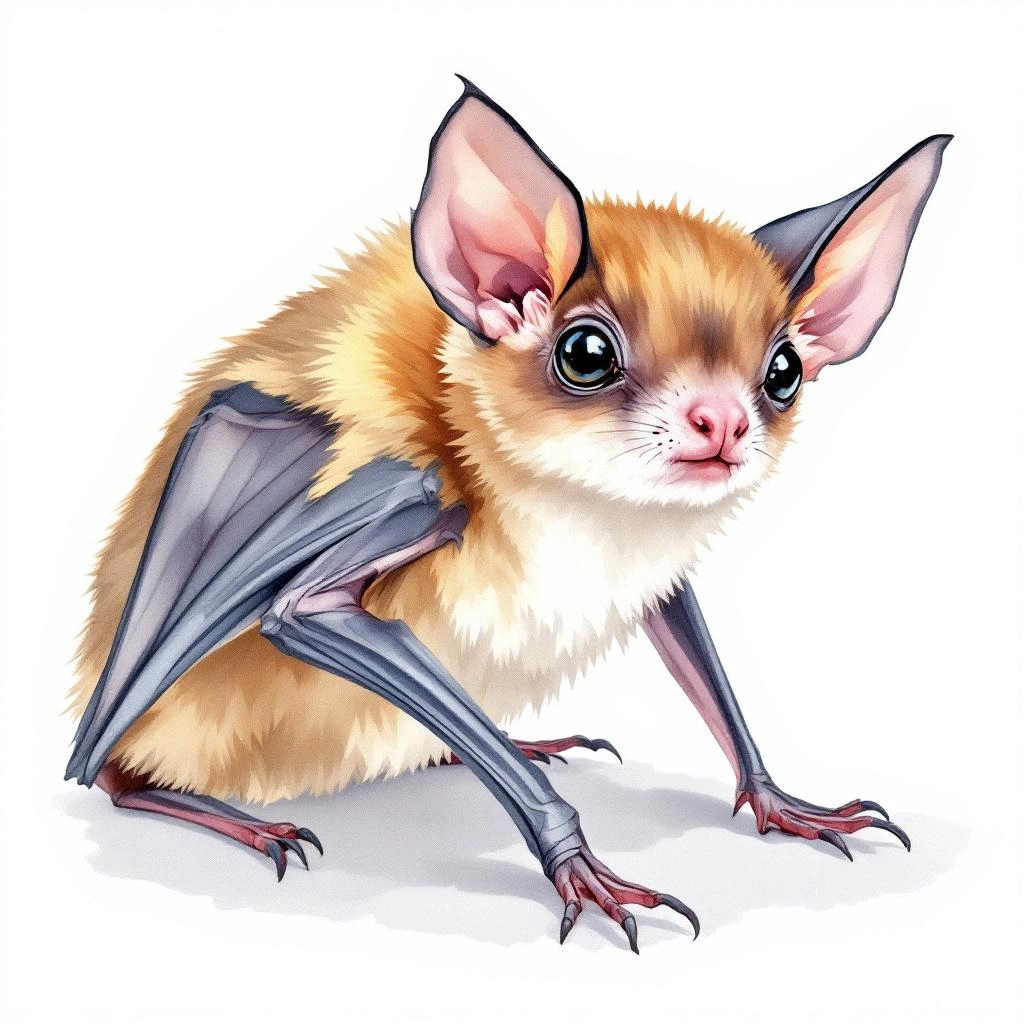
Little Fruit-eating Bat
Artibeus ravus
Least Concern
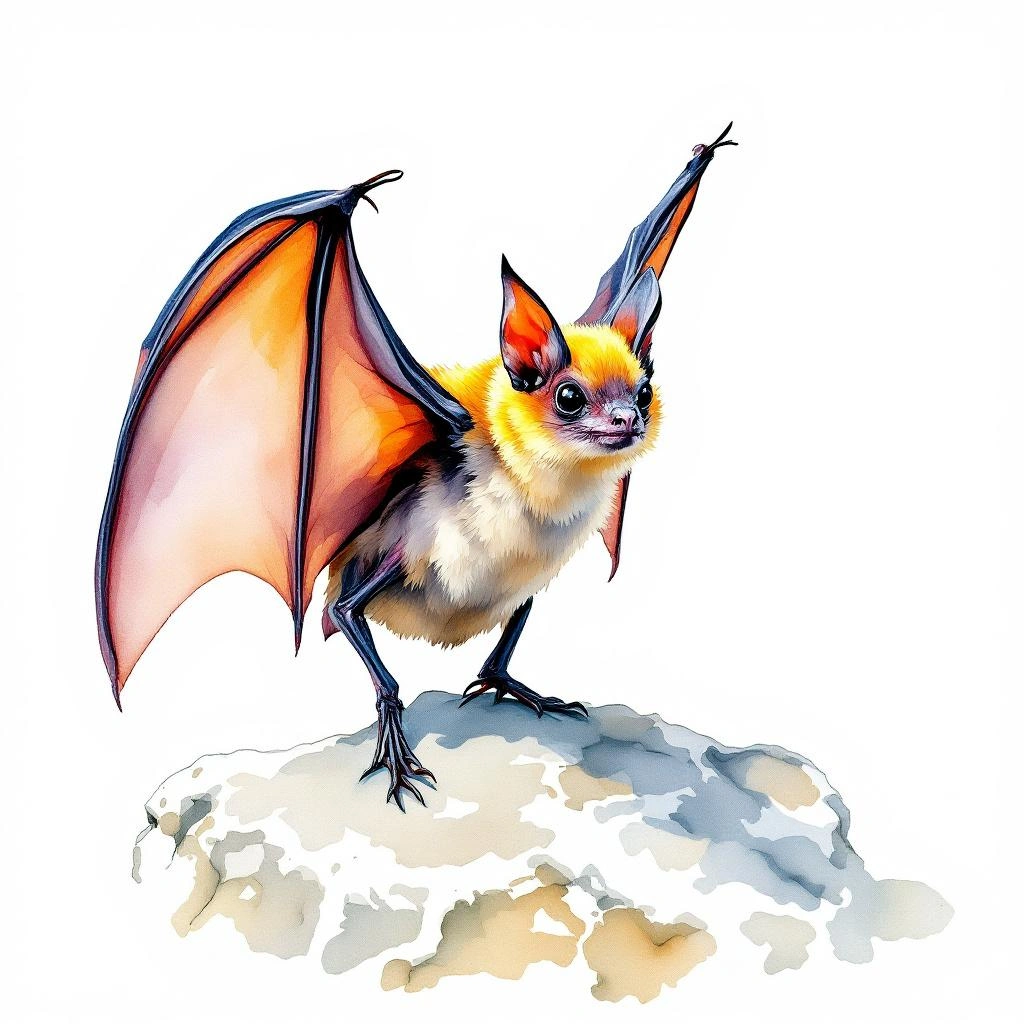
Bogota Fruit-eating Bat
Artibeus bogotensis
Least Concern
Explore More
Frequently Asked Questions
What is the scientific name of Andersen's Fruit-eating Bat?
The scientific name of Andersen's Fruit-eating Bat is Artibeus anderseni. It belongs to the genus Artibeus.
What is the conservation status of Andersen's Fruit-eating Bat?
Andersen's Fruit-eating Bat (Artibeus anderseni) is classified as Least Concern by the IUCN Red List.
Where does Andersen's Fruit-eating Bat live?
Andersen's Fruit-eating Bat is found in Distributed across Colombia and Ecuador.. Countries include Colombia, Ecuador.
What family does Andersen's Fruit-eating Bat belong to?
Andersen's Fruit-eating Bat (Artibeus anderseni) belongs to the genus Artibeus, which is part of the taxonomic family Phyllostomidae.
Is Andersen's Fruit-eating Bat endangered?
No, Andersen's Fruit-eating Bat (Artibeus anderseni) is classified as Least Concern on the IUCN Red List, meaning it is not currently at significant risk of extinction.
What kingdom does Andersen's Fruit-eating Bat belong to?
Andersen's Fruit-eating Bat (Artibeus anderseni) belongs to the kingdom Animalia (Animals).
What are the closest relatives of Andersen's Fruit-eating Bat?
The closest relatives of Andersen's Fruit-eating Bat in the genus Artibeus include Murciélago-frutero de Jamaica, Bogota Fruit-eating Bat, Hairy Fruit-eating Bat, Large Fruit-eating Bat, Brown Fruit-eating Bat.
Genus Artibeus — 19 Species
🐾
LC
🐾
LC
🐾
LC
🐾
LC
🐾
LC
🐾
LC
🐾
LC
🐾
LC
🐾
LC
🐾
LC
🐾
LC
🐾
DD
🐾
LC
🐾
LC
🐾
LC
🐾
DD
🐾
LC
LC
Murciélago-frutero de Jamaica
Artibeus jamaicensis
Bogota Fruit-eating Bat
Artibeus bogotensis
Hairy Fruit-eating Bat
Artibeus hirsutus
Large Fruit-eating Bat
Artibeus amplus
Brown Fruit-eating Bat
Artibeus concolor
Great Fruit-eating Bat
Artibeus lituratus
Dwarf Fruit-eating Bat
Artibeus gnomus
Little Fruit-eating Bat
Artibeus ravus
Andersen's Fruit-eating Bat
Artibeus aequatorialis
Fringed Fruit-eating Bat
Artibeus fimbriatus
Flat-faced Fruit-eating Bat
Artibeus planirostris
Honduran Fruit-eating Bat
Artibeus inopinatus
Silvery Fruit-eating Bat
Artibeus glaucus
Pygmy Fruit-eating Bat
Artibeus phaeotis
Fraternal Fruit-eating Bat
Artibeus fraterculus
Rosenberg's Fruit-eating Bat
Artibeus rosenbergi
Gervais's Fruit-eating Bat
Artibeus cinereus
🐾
LC
🐾
Andersen's Fruit-eating Bat
Artibeus anderseni
Dark fruit-eating bat
Artibeus obscurus
Nature FYI Family
Explore more of the natural world across our sister sites.
🐦
🐟
🦕
🌿
BirdFYI
11,000+ Bird Species
FishFYI
Fish & Marine Life
DinoFYI
6,000+ Dinosaurs
PlantFYI
379,000+ Plants
Part of the Nature FYI family — FYIPedia