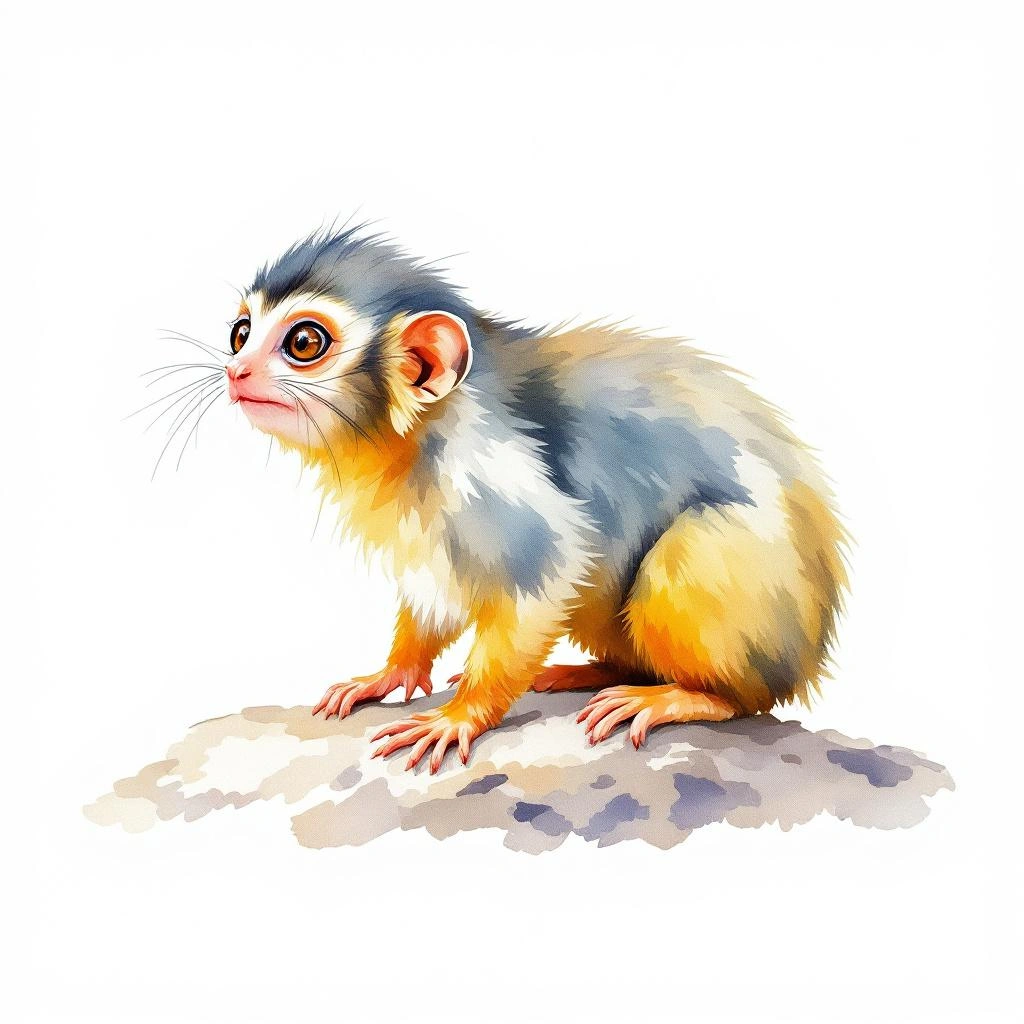
Eastern Pygmy Marmoset
Cebuella niveiventris
Vulnerable
Embed This Widget
Add the script tag and a data attribute to embed this widget.
<script src="https://cdn.jsdelivr.net/npm/speciesfyi-embed@1/dist/embed.min.js" defer></script>
<div data-speciesfyi="species" data-slug="eastern-pygmy-marmoset"></div>Embed via iframe for maximum compatibility.
<iframe src="https://speciesfyi.com/iframe/species/eastern-pygmy-marmoset/" width="420" height="400" frameborder="0" style="border:0;border-radius:10px;max-width:100%" loading="lazy"></iframe>Paste this URL in WordPress, Medium, or any oEmbed-compatible platform.
https://speciesfyi.com/species/eastern-pygmy-marmoset/Add a dynamic SVG badge to your README or docs.
[](https://speciesfyi.com/species/eastern-pygmy-marmoset/)Use the native HTML custom element.
<script src="https://cdn.jsdelivr.net/npm/speciesfyi-embed@1/dist/embed.min.js" defer></script>
<speciesfyi-species slug="eastern-pygmy-marmoset"></speciesfyi-species>
On this page
Nature FYI Family
Explore more of the natural world across our sister sites.
🐦
🐟
🦕
🌿
BirdFYI
11,000+ Bird Species
FishFYI
Fish & Marine Life
DinoFYI
6,000+ Dinosaurs
PlantFYI
379,000+ Plants
Part of the Nature FYI family — FYIPedia