Cordillera Central páramo
The Cordillera Central páramo is a montane grasslands and shrublands ecoregion located in the Neotropic biogeographic realm, covering Central and South America, the Caribbean, and southern portions of Mexico, spanning approximately 12,120 km². Classified under the WWF ecoregion code NT1004, this region represents a distinct ecological community shaped by its unique combination of climate, geography, and evolutionary history.
Climate and Vegetation
This ecoregion experiences cool temperatures with high UV radiation and variable precipitation at altitude. The dominant vegetation consists of alpine grasses, cushion plants, and low shrubs above the treeline. These conditions create the foundation for the ecological communities found within the Cordillera Central páramo.
Ecological Significance
These high-altitude ecosystems are islands of unique biodiversity, often harbouring species found nowhere else due to geographic isolation. They are especially sensitive to climate warming. The Cordillera Central páramo contributes to the broader biodiversity patterns of the Neotropic realm.
Geographic Distribution
The Cordillera Central páramo extends across Ecuador and Peru. This geographic range places it within the Neotropic realm, one of the eight major biogeographic divisions of the world.
Notable Species
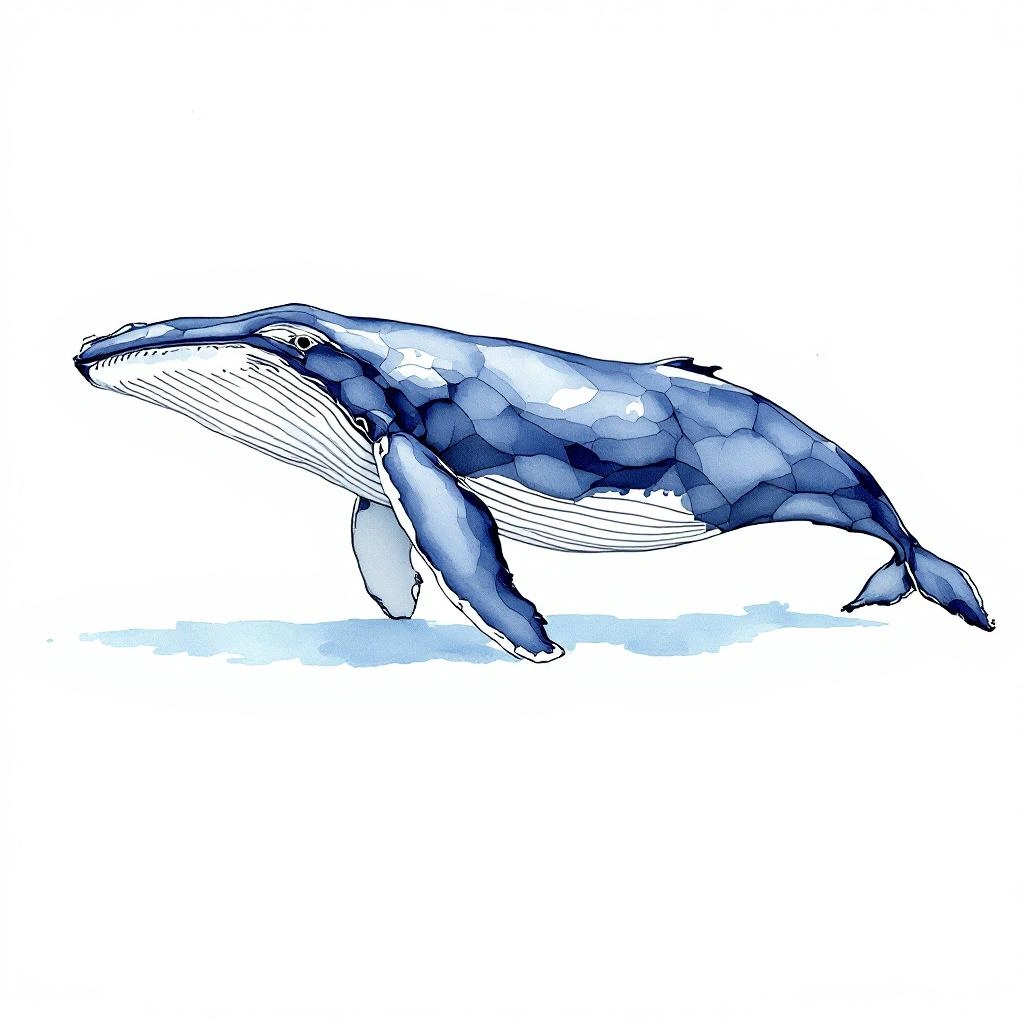
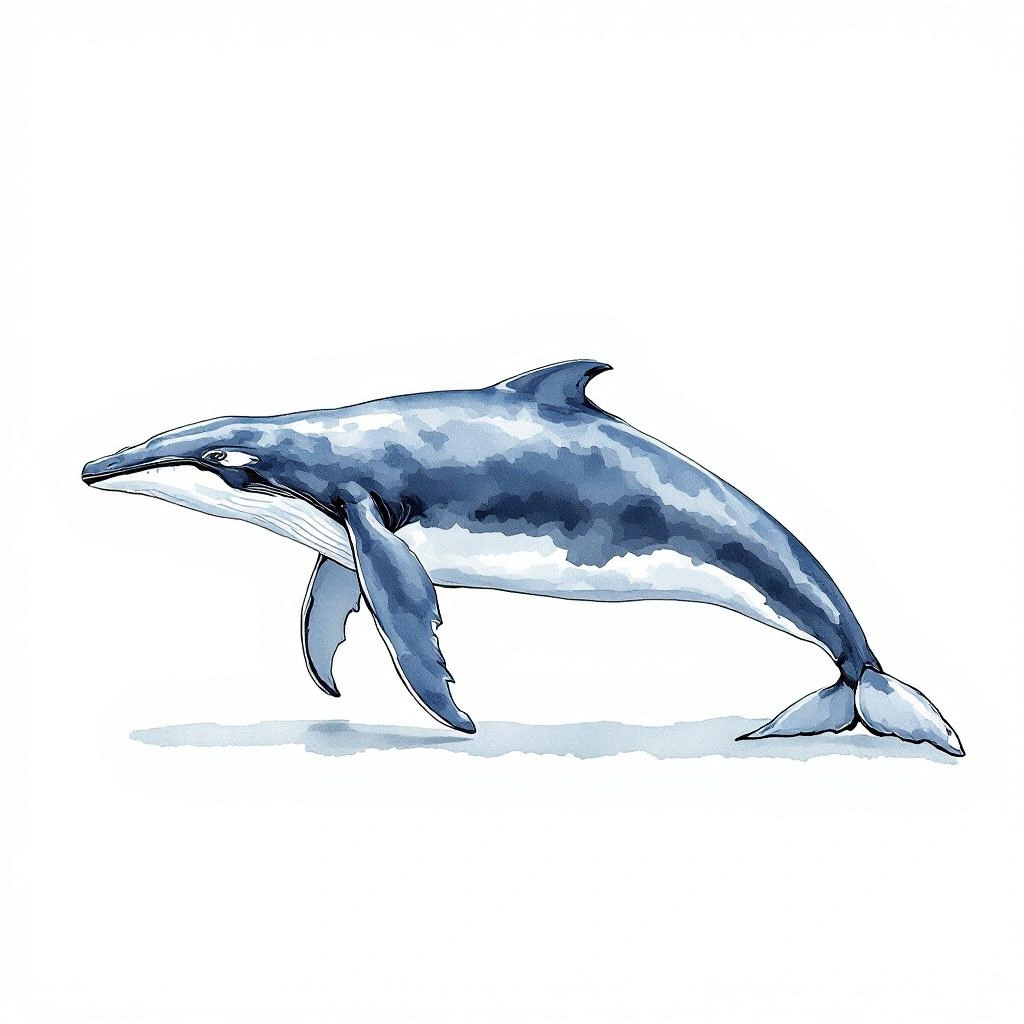
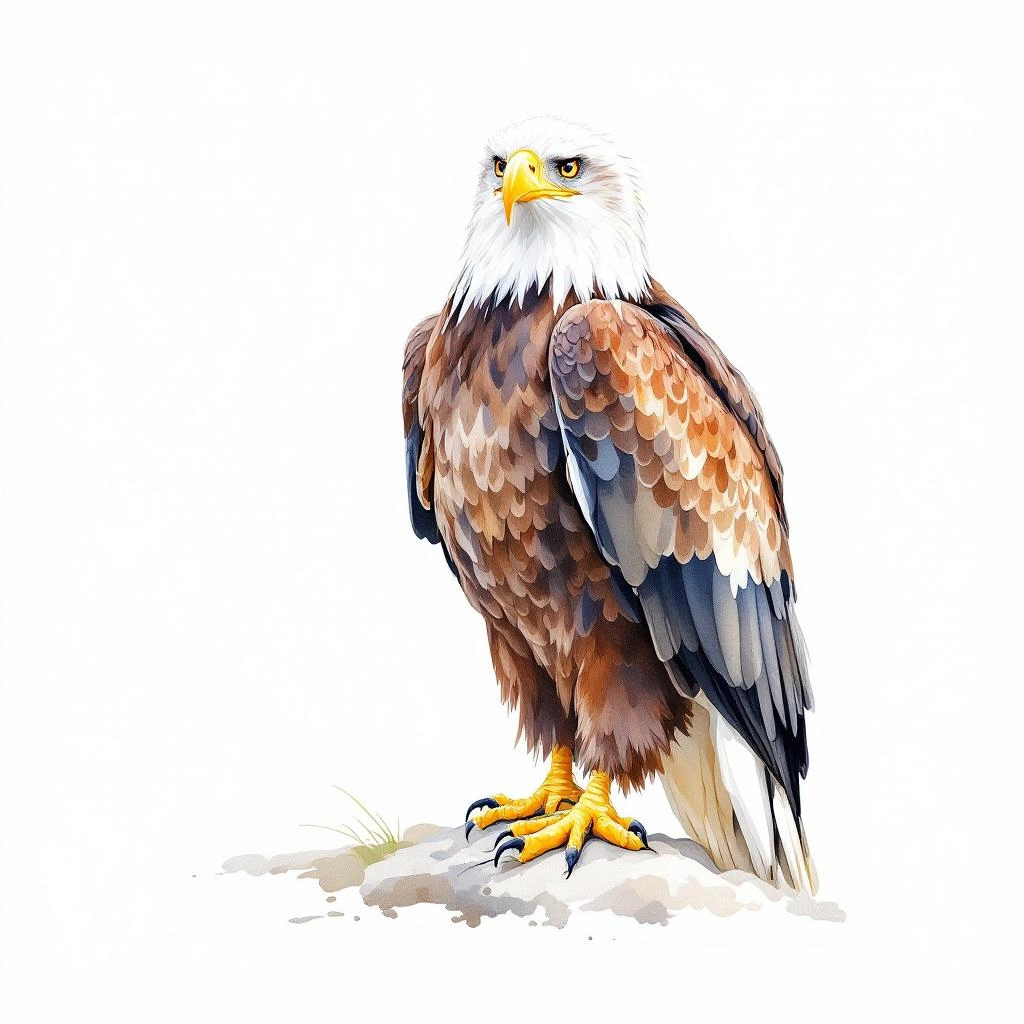
The Cordillera Central páramo supports a range of wildlife, including American Bald Eagle (Haliaeetus leucocephalus), American oil palm (Elaeis oleifera), Andean Condor (Vultur gryphus), aquatic rat (Anotomys leander), axolotl (Ambystoma mexicanum), Banded Ground-Cuckoo (Neomorphus radiolosus), Baudo Guan (Penelope ortoni), Big Finner (Balaenoptera physalus), and 42 more species. Among these, 18 species are classified as threatened on the IUCN Red List, underscoring the conservation importance of this ecoregion.
Conservation
Like many montane grasslands and shrublands ecosystems, the Cordillera Central páramo faces threats from climate change (upslope migration of treelines), overgrazing, and tourism impacts. Conservation efforts in this ecoregion focus on habitat preservation, sustainable land management, and protecting corridors that connect fragmented habitat patches.
Countries 2
Species in this Ecoregion 50