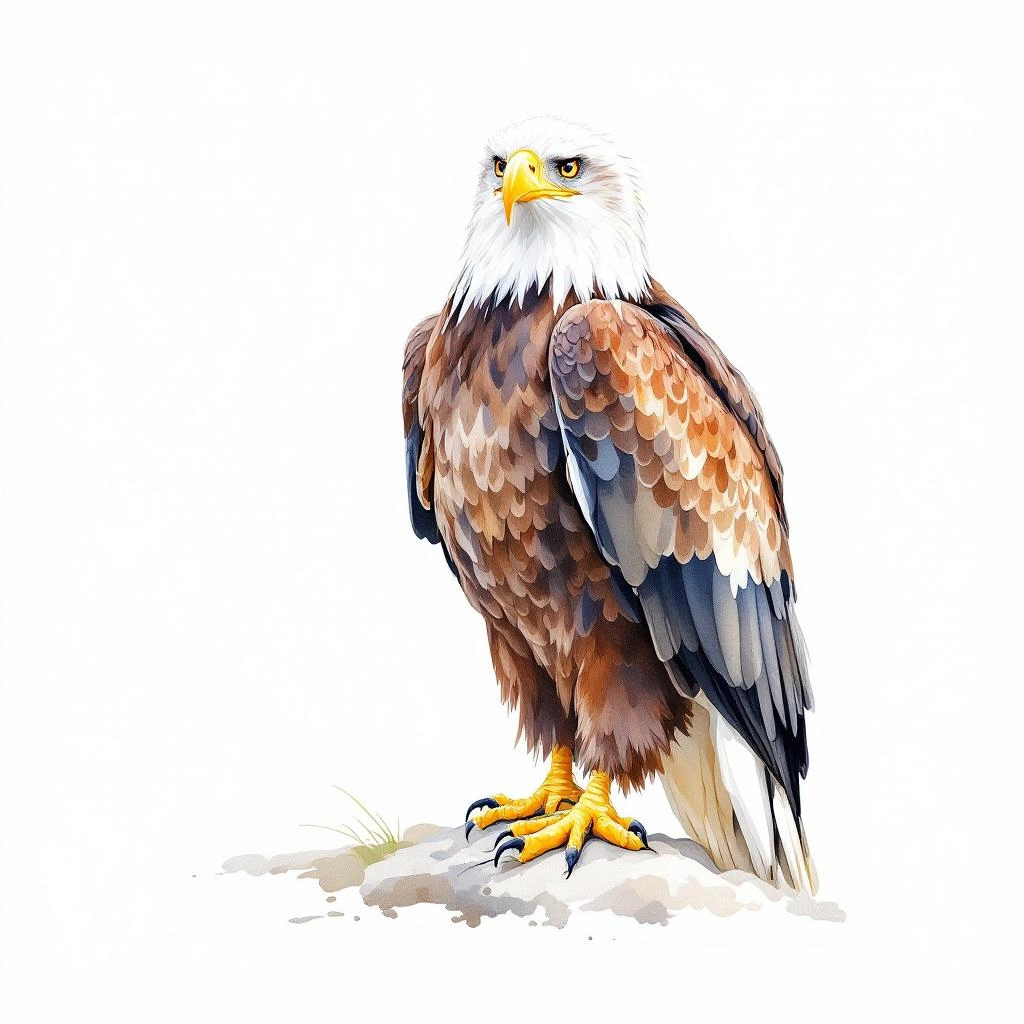
Cantabrian mixed forests
The Cantabrian mixed forests is a temperate broadleaf and mixed forests ecoregion located in the Palearctic biogeographic realm, covering Europe, northern Asia, North Africa, and the northern Middle East, spanning approximately 96,266 km². Classified under the WWF ecoregion code PA0406, this region represents a distinct ecological community shaped by its unique combination of climate, geography, and evolutionary history.
Climate and Vegetation
This ecoregion experiences four distinct seasons with moderate to high precipitation distributed year-round. The dominant vegetation consists of a mix of deciduous and evergreen broadleaf trees such as oaks, beeches, and maples. These conditions create the foundation for the ecological communities found within the Cantabrian mixed forests.
Ecological Significance
These forests experience dramatic seasonal shifts that drive migration, hibernation, and phenological cycles. The rich leaf litter supports diverse decomposer communities and fungi. The Cantabrian mixed forests contributes to the broader biodiversity patterns of the Palearctic realm.
Geographic Distribution
The Cantabrian mixed forests extends across France, Portugal, and Spain. This geographic range places it within the Palearctic realm, one of the eight major biogeographic divisions of the world.
Notable Species
The Cantabrian mixed forests supports a range of wildlife, including (Biatoropsis usnearum), (Diploicia canescens), (Opegrapha rupestris), (Toninia cinereovirens), (Parmeliella parvula), (Ramalina canariensis), (Bryoria capillaris), (Bactrospora dryina), and 42 more species. Among these, 19 species are classified as threatened on the IUCN Red List, underscoring the conservation importance of this ecoregion.
Conservation
Like many temperate broadleaf and mixed forests ecosystems, the Cantabrian mixed forests faces threats from urbanisation, fragmentation, invasive species, and air pollution. Conservation efforts in this ecoregion focus on habitat preservation, sustainable land management, and protecting corridors that connect fragmented habitat patches.
Countries 3
Species in this Ecoregion 50